


Part Number: TMS320F28379D
Other Parts Discussed in Thread: CONTROLSUITE, , C2000WARE
When our laboratory used 28379D on-chip AD for sampling, it was found that the sampled noise was very large, so 28335 was also used for experiments, but it was found that the on-chip AD sampling result of 28335 was much better than that of 28379D.
We use TI 's original development board, one is controlcard, one is lunchpad. It is believed that the original circuit design should not have any problems, so it is doubtful that the on-chip AD sampling effect of 28379D is worse than that of 28335. ( The specific test experiments and experimental results are as follows. )
We want to make sure that if it is an on-chip AD problem of the chip itself, we will no longer spend time redesigning the circuit. If the LUNCHPAD circuit design causes a problem with the 28379D sampling result, can you recommend a circuit design scheme ? We refer to the design of our own circuit board.
1.On the product F28335 controlCARD RELEASE 2.2 ( Figure 1 ), the official process C : \ ti \ controlSUITE \ device _ support \ f2833x \ v142 \ DSP2823x _ examples _ ccsv5 \ adc _ soc is used to test the voltage of No.7 battery ( Figure 2 ). The digital quantity measured by ADC fluctuates from 2038 to 2042 ( 1.49304-1.4949V ), as shown in Figure 3.
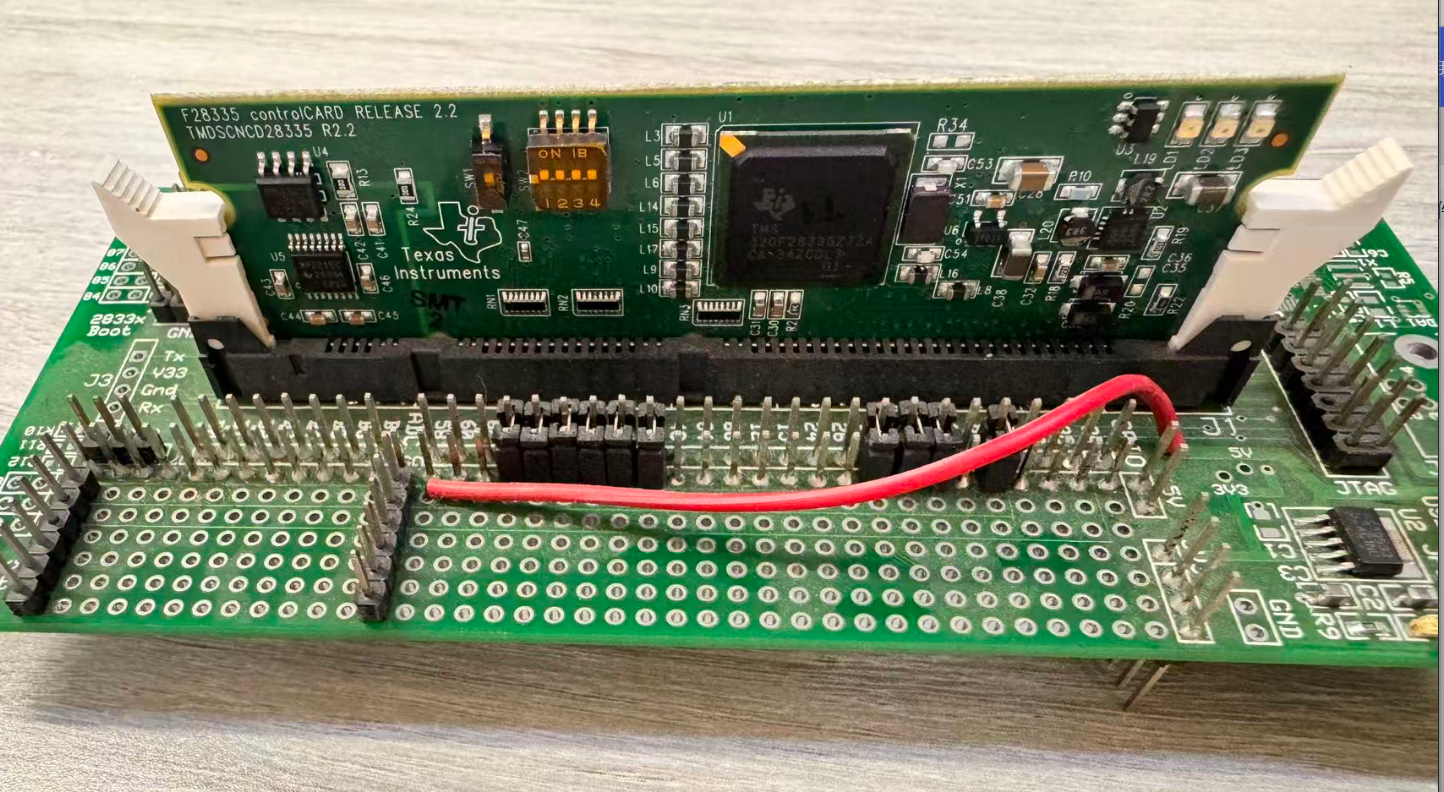
Fig.1 Product F28335 controlCARD RELEASE 2.2
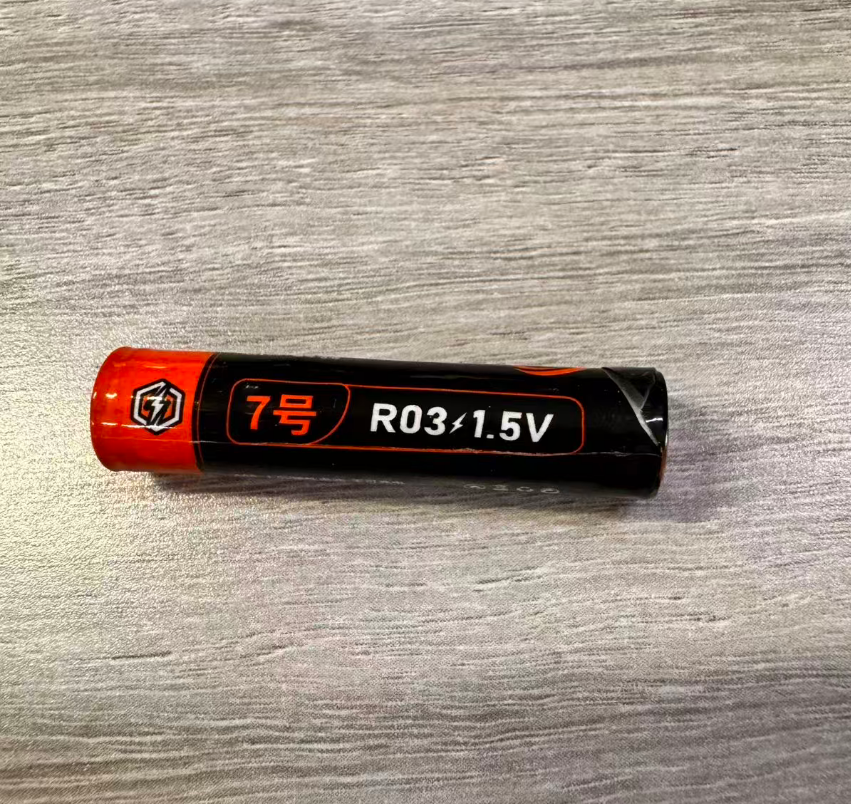
Fig.2 7 Battery
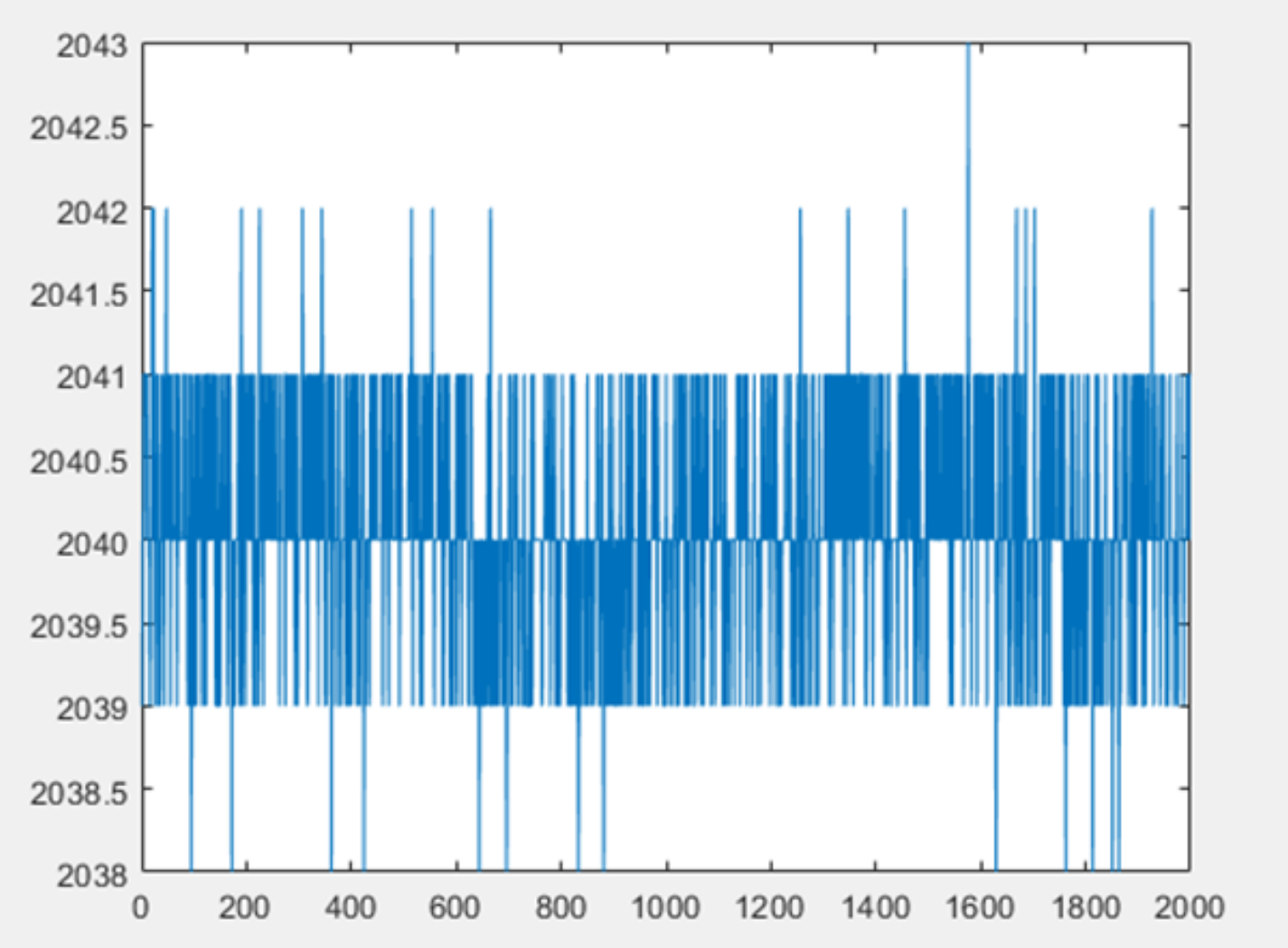
Fig.3 ADC Test Results 1
2.On the product LaunchPad XL TMS320F28379D ( Figure 4 ), the official process C : \ ti \ c2000 \ C2000Ware _ 6 _ 00 _ 01 _ 00 \ training \ device \ f2837xd \ analog _ subsystems \ lab _ adc is used to test the voltage of battery No.7 ( Figure 2 ), which fluctuates from 2000 to 2140 ( 1.4652-1.5678V ), as shown in Figure 5.
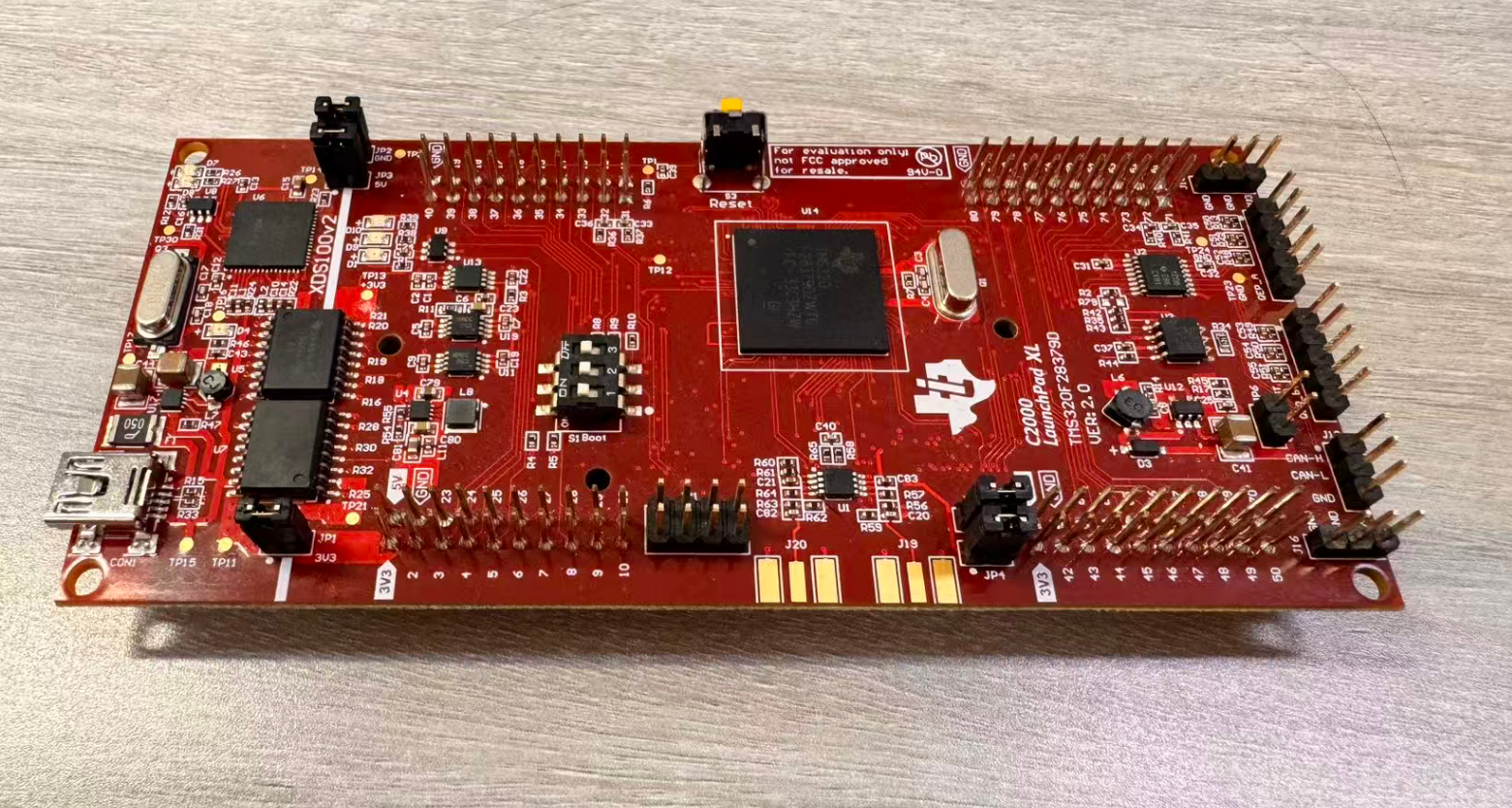
Fig.4 Product LaunchPad XL TMS320F28379D
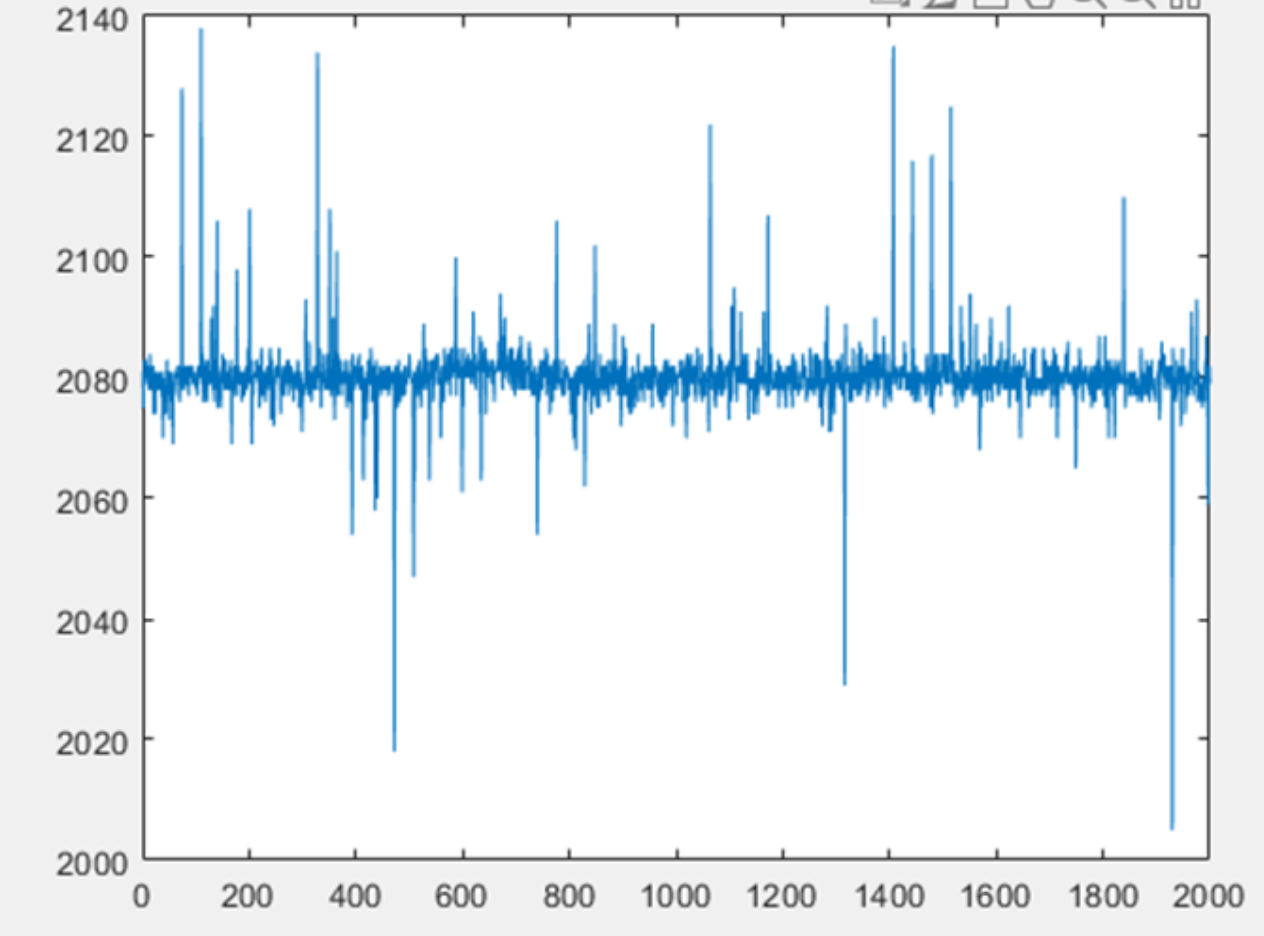
Fig.5 ADC test results 2
