This thread has been locked.

If you have a related question, please click the "Ask a related question" button in the top right corner. The newly created question will be automatically linked to this question.

Buffer configuration OPA4830

Other Parts Discussed in Thread: OPA4830

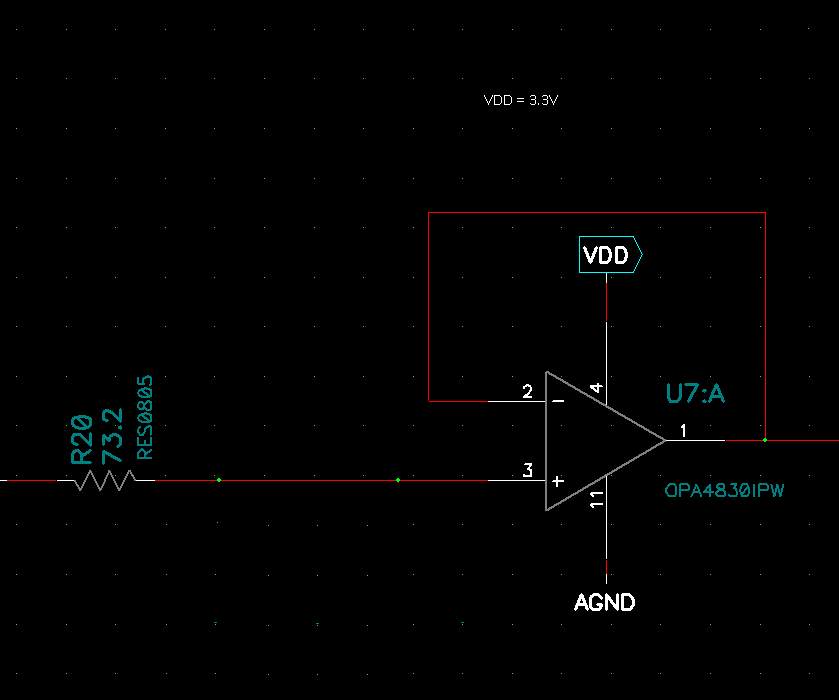
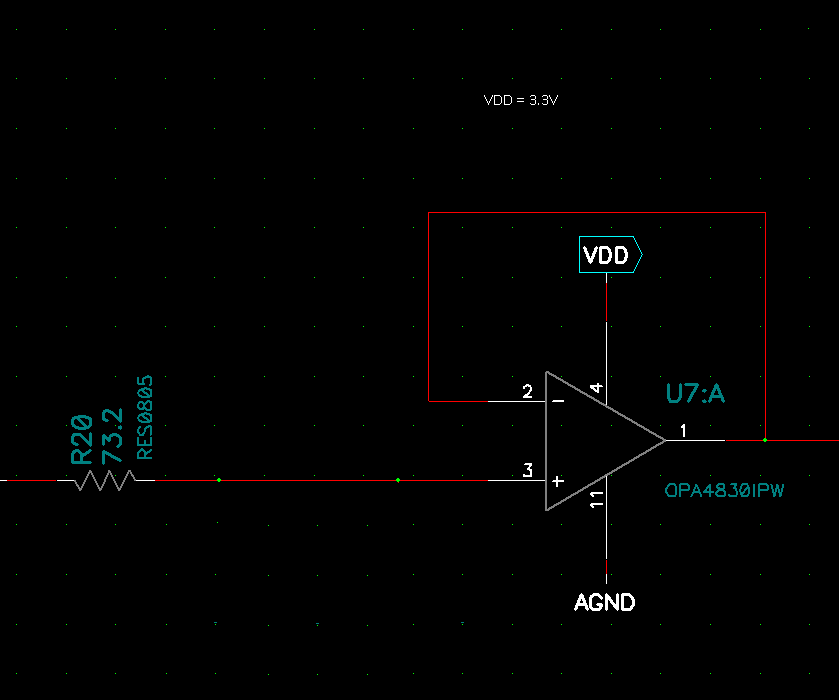
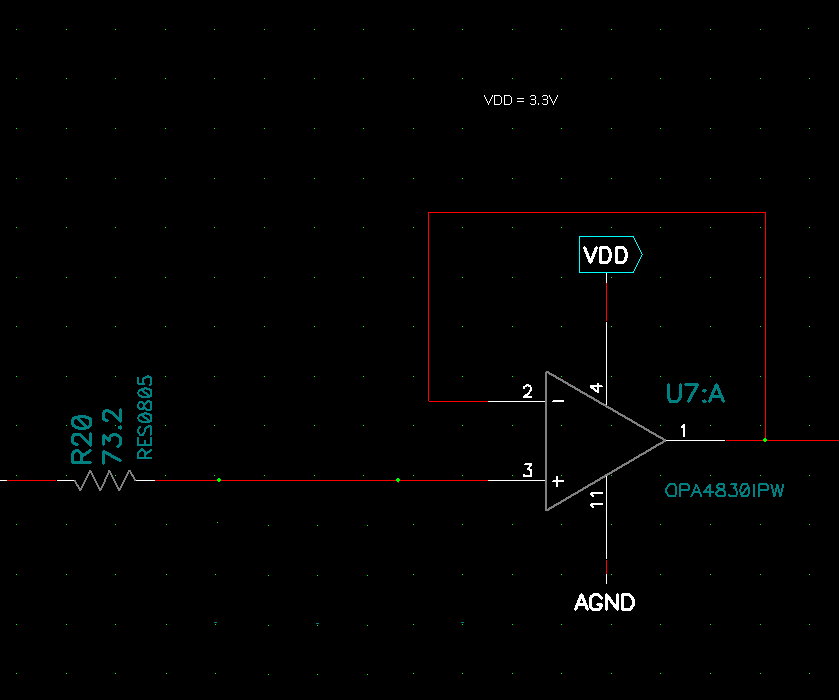
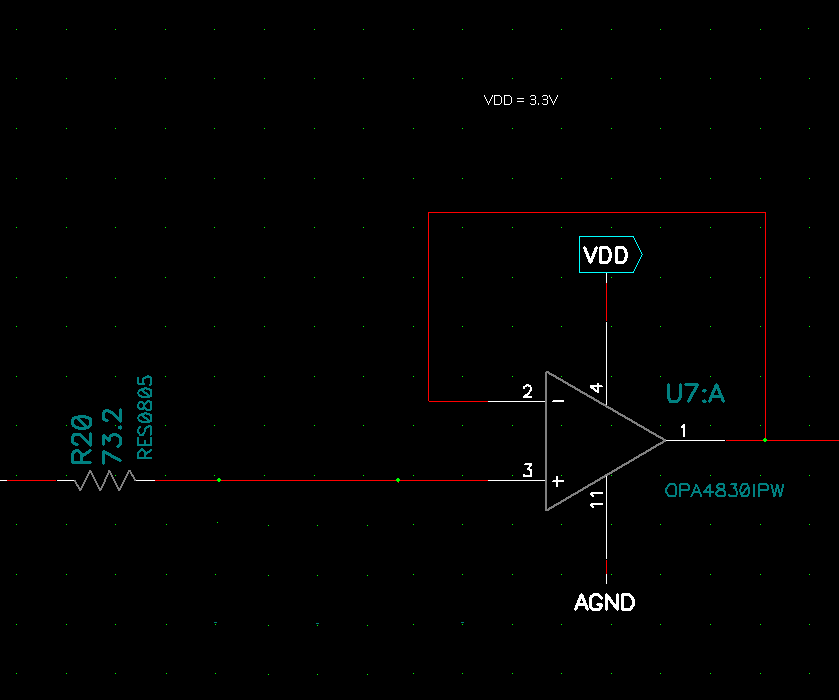
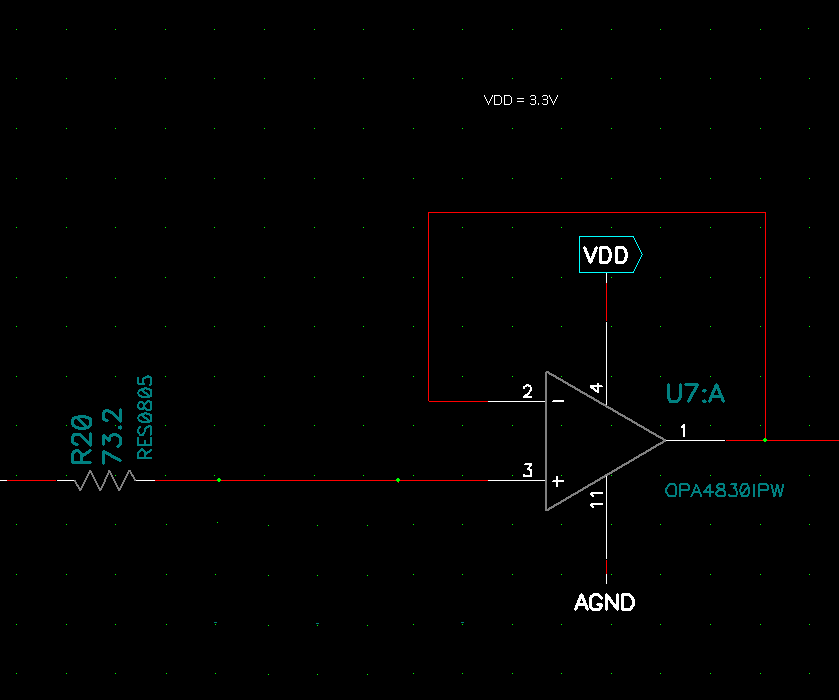
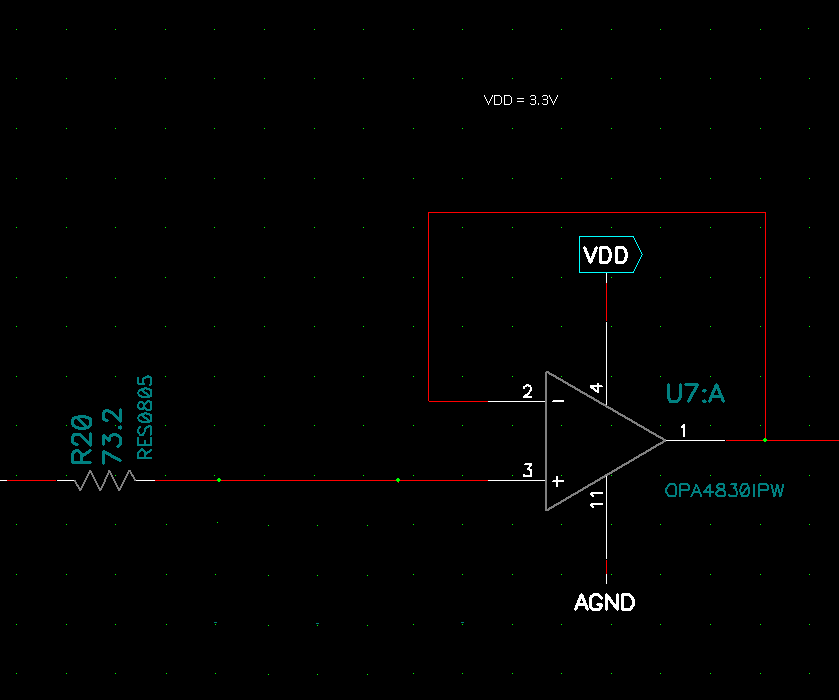
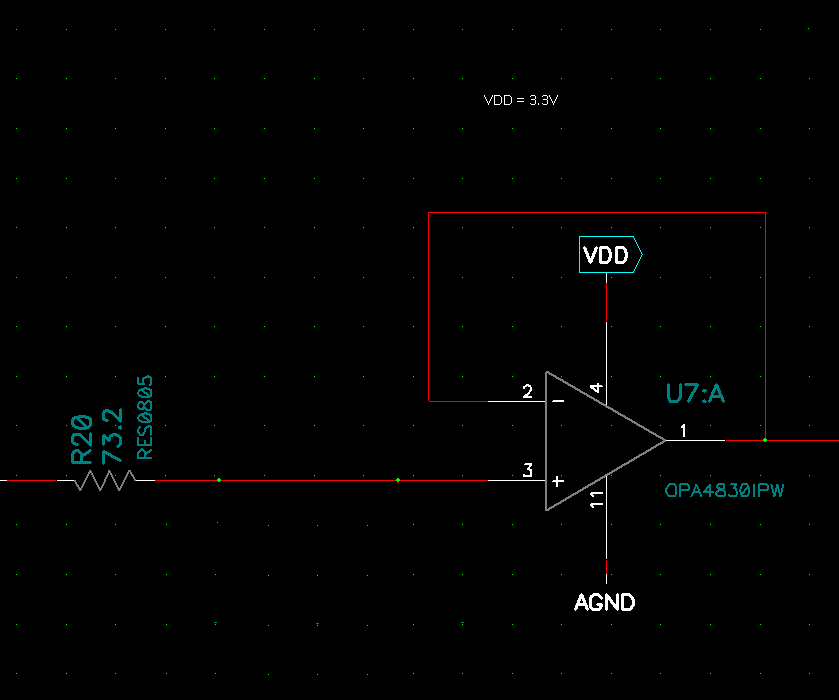
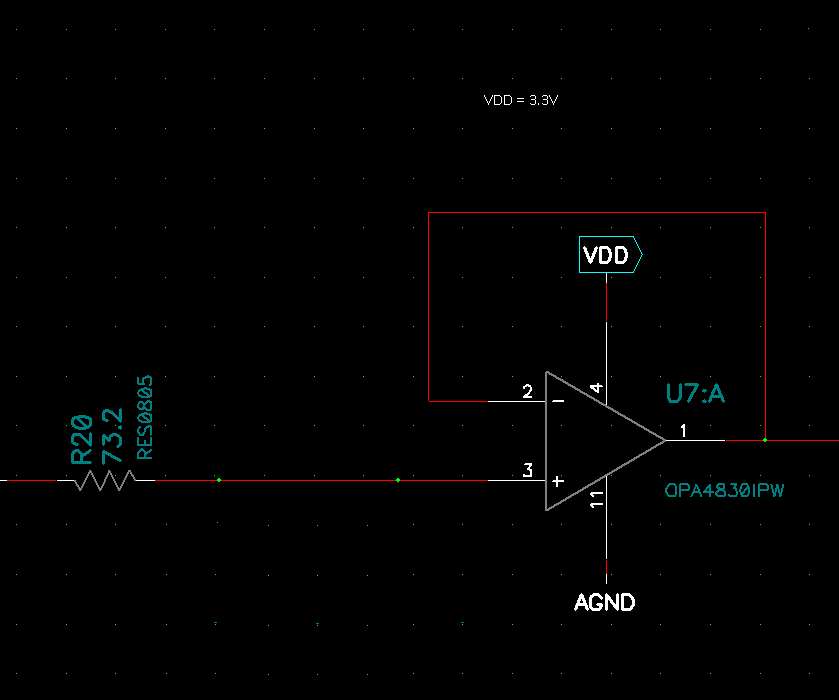
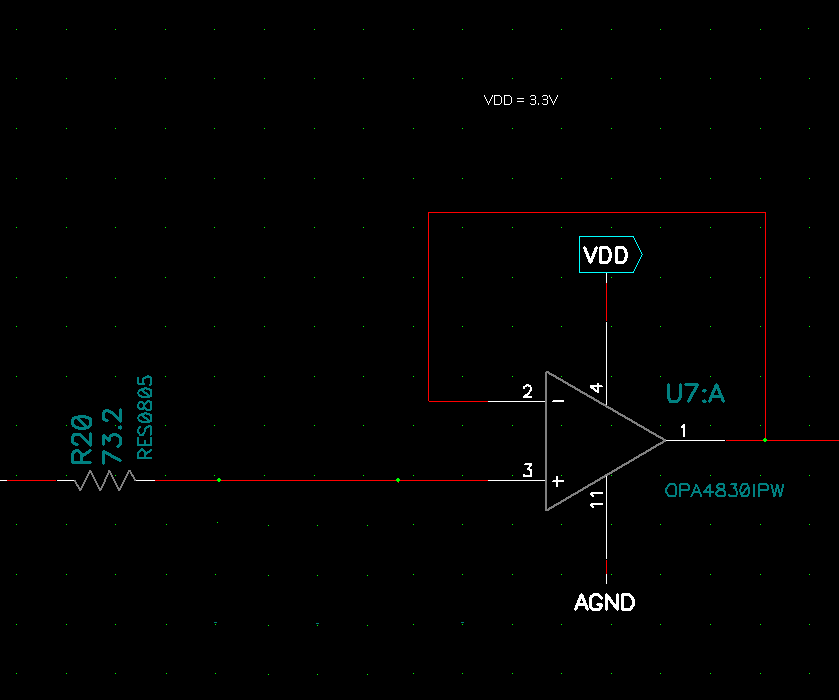
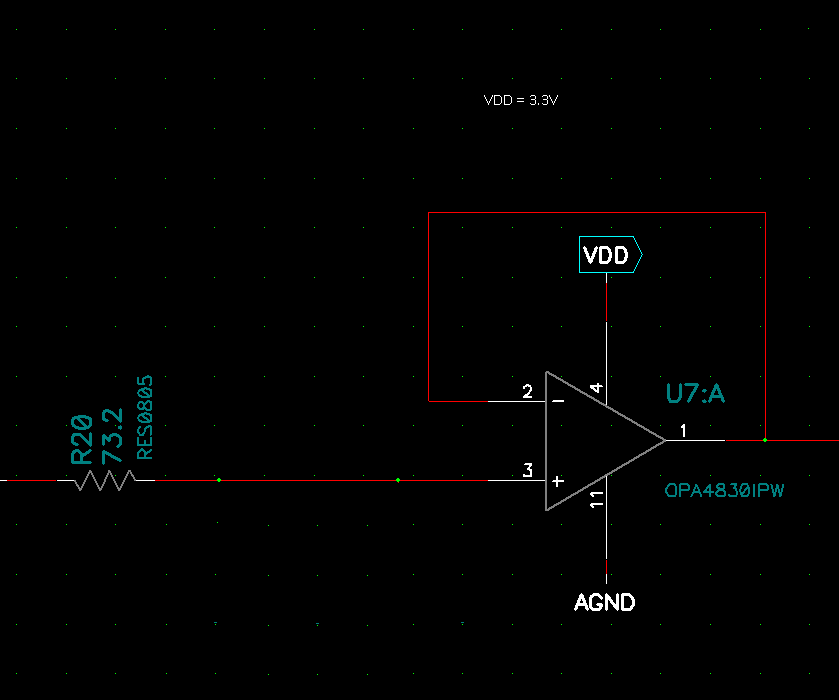
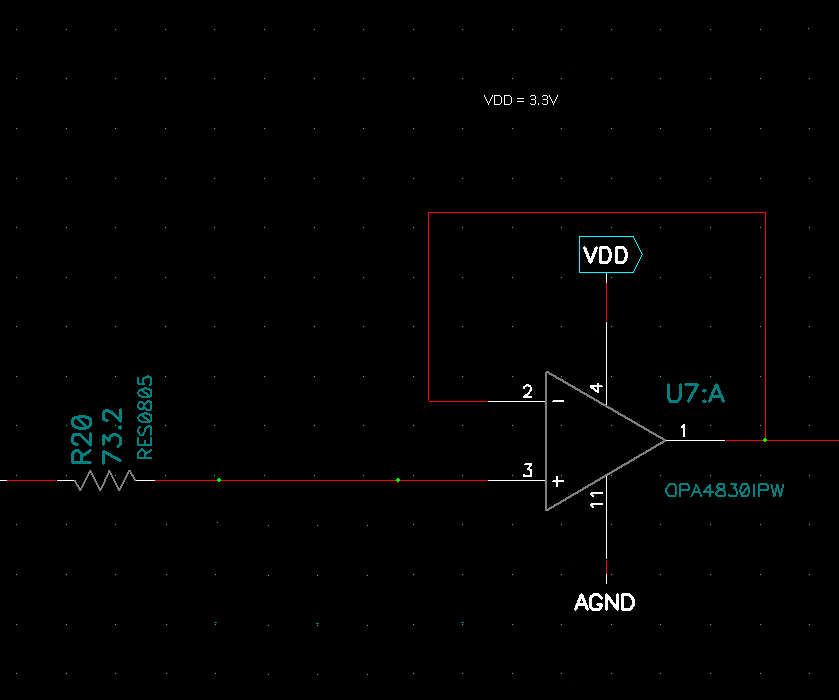
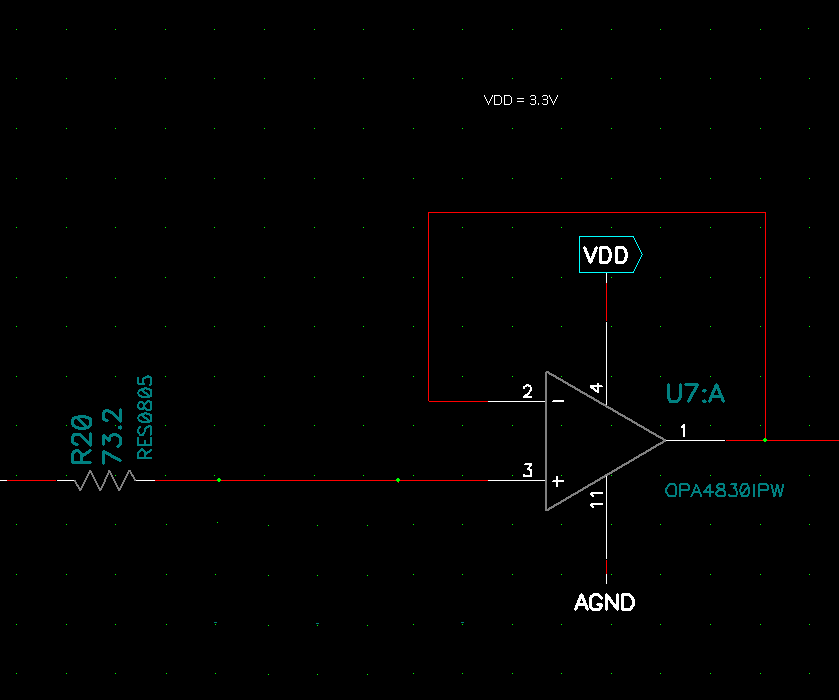
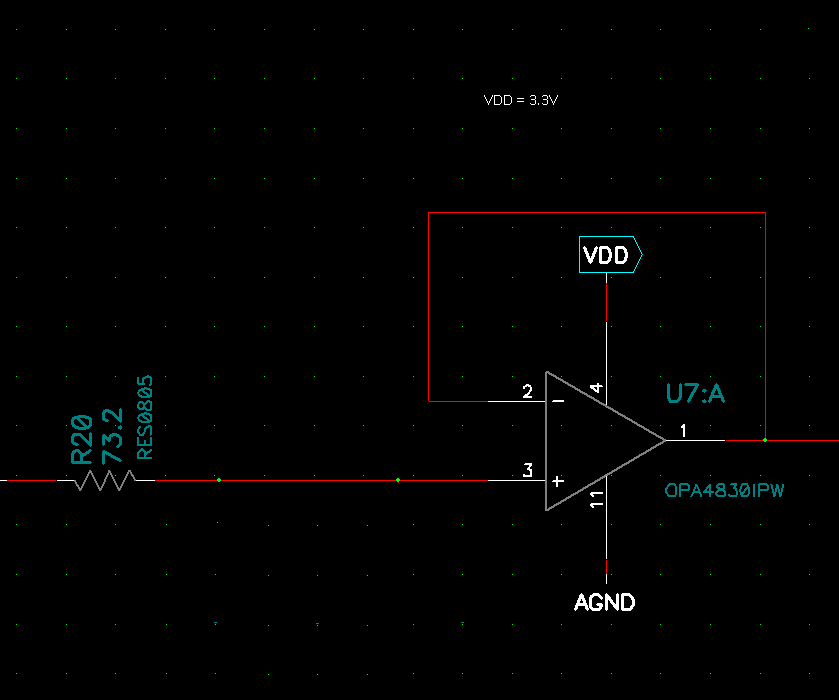
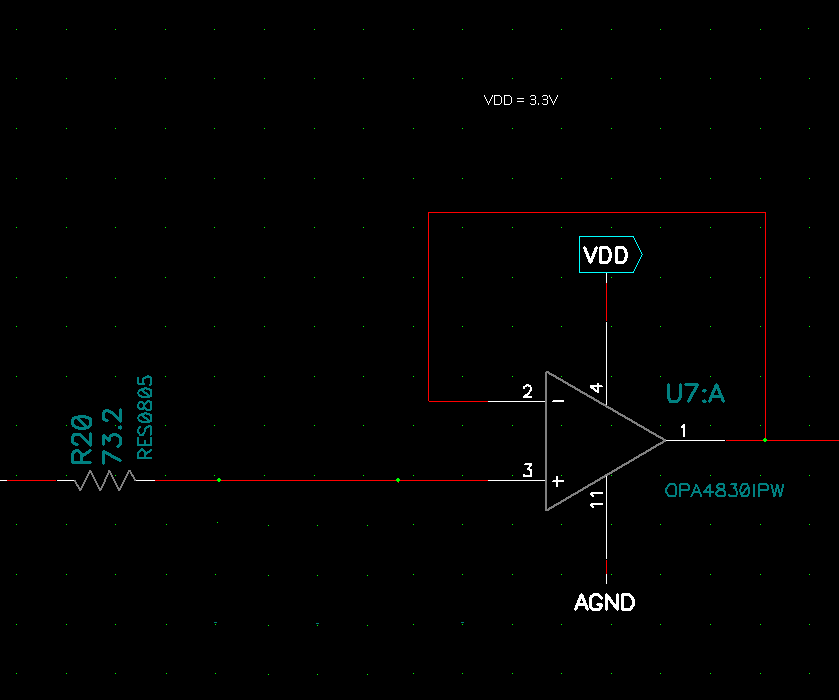
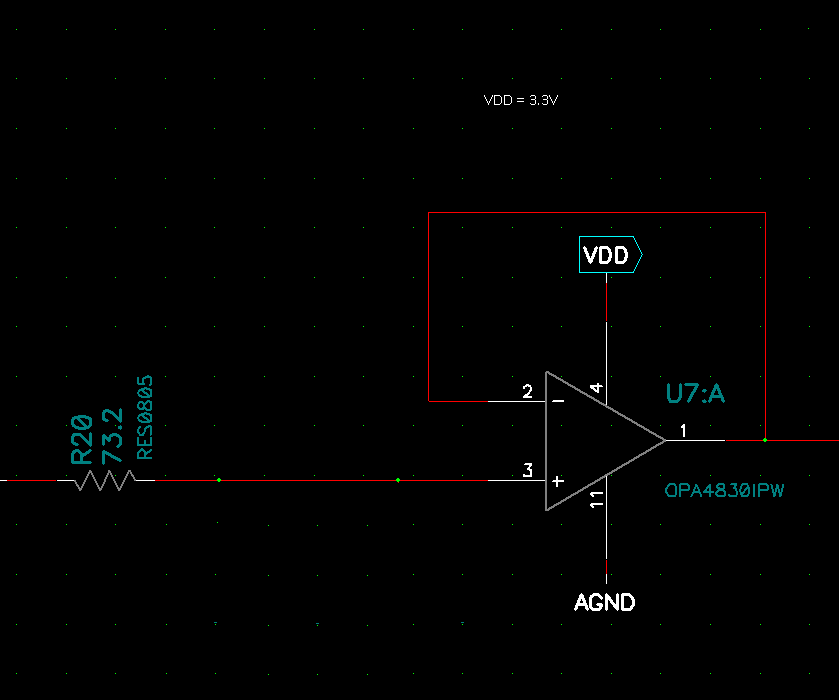
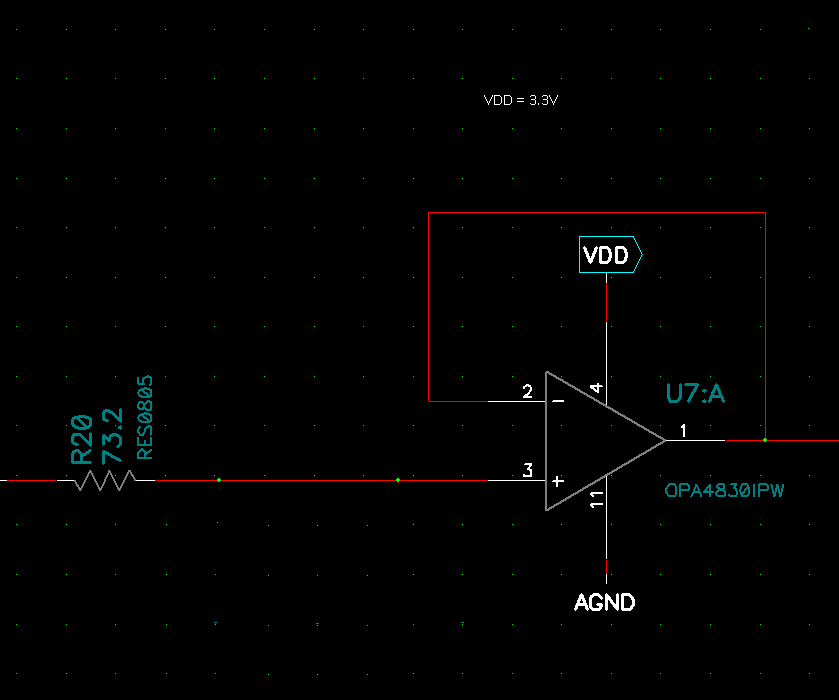
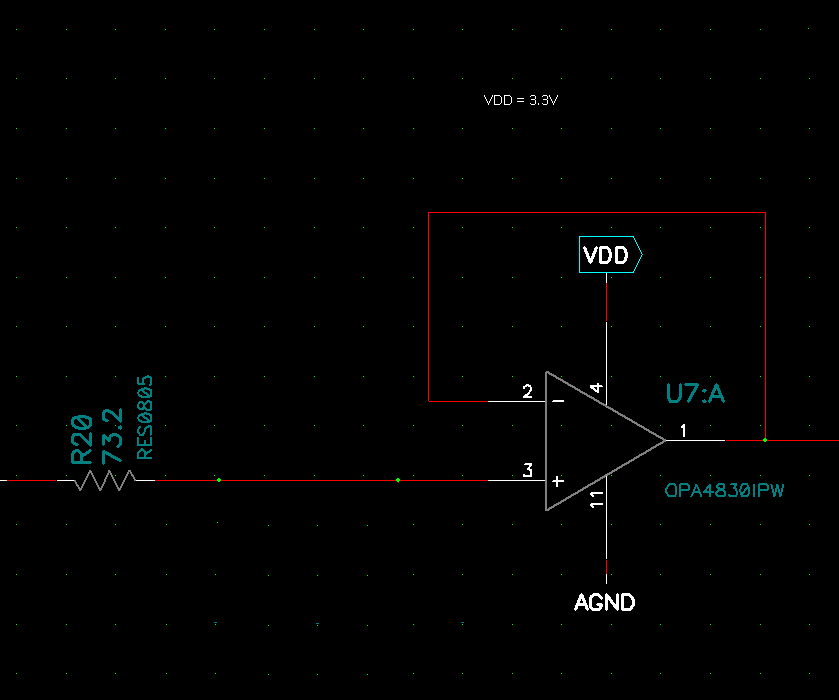
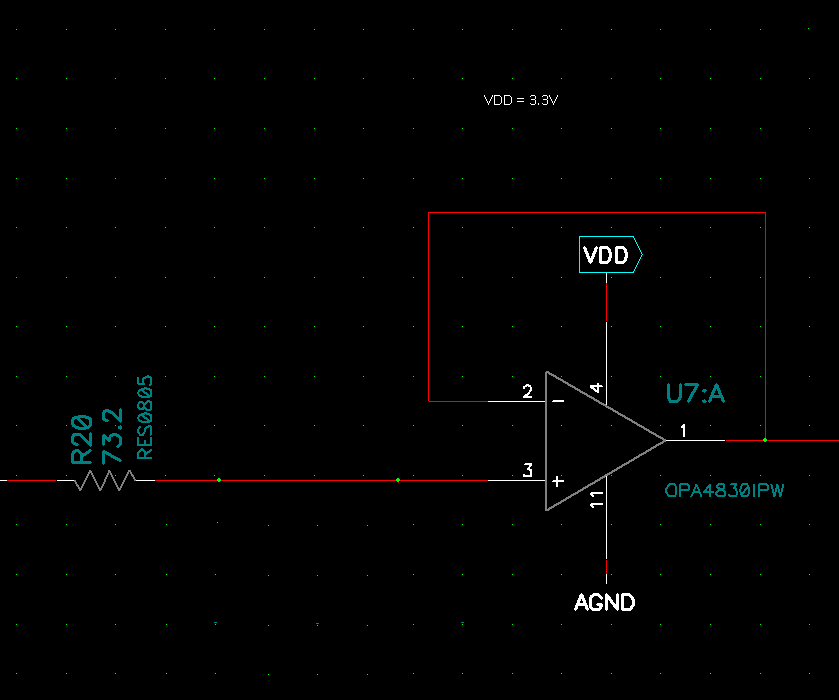
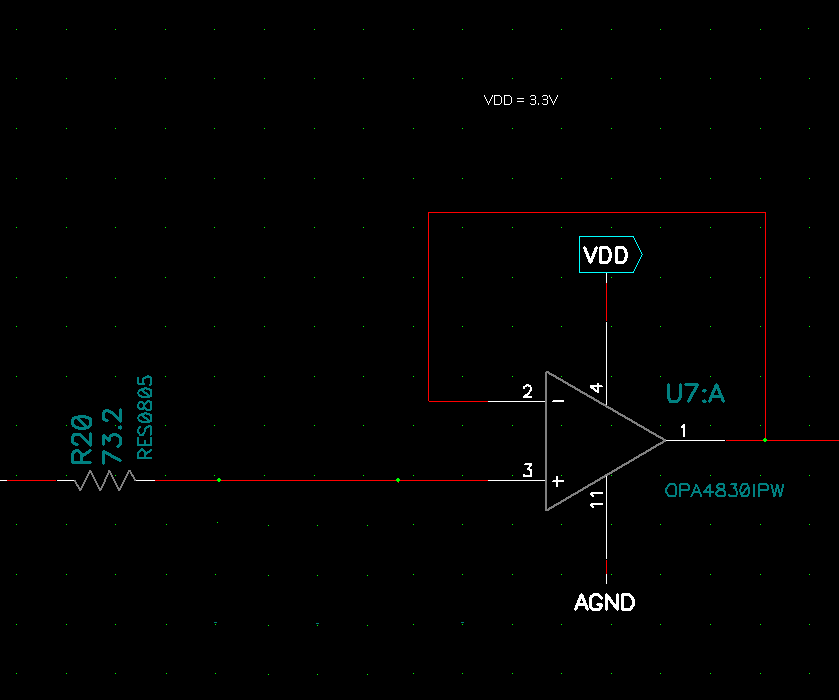
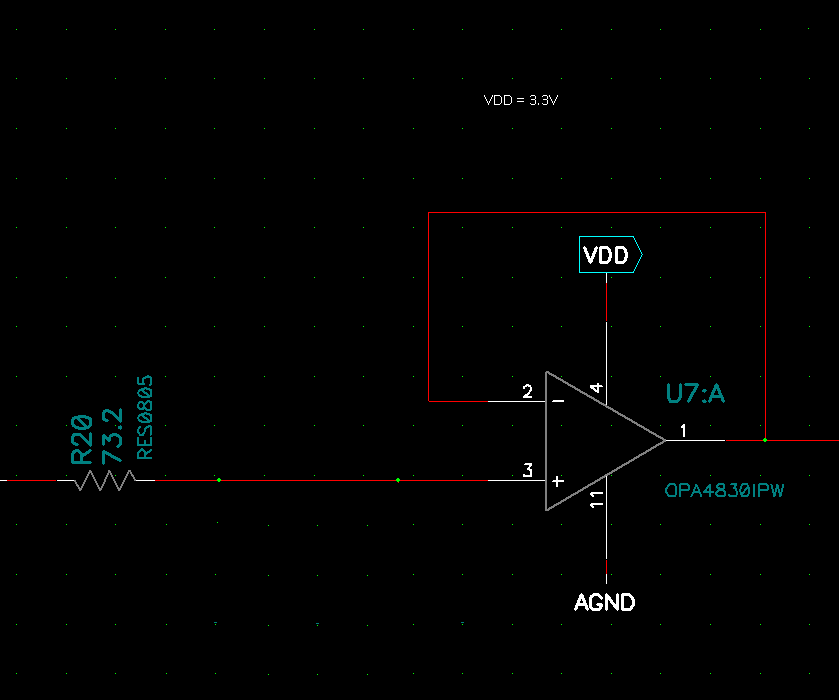
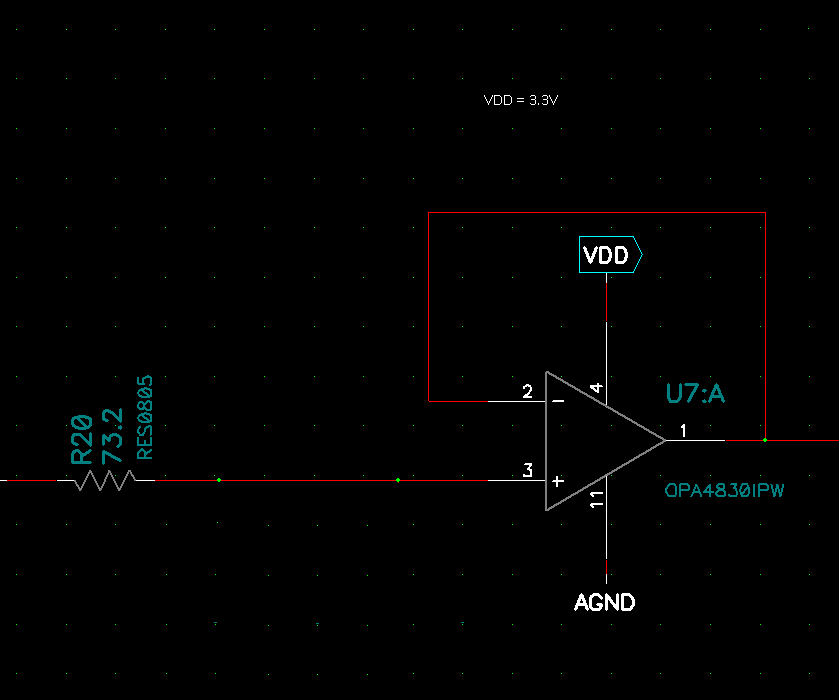
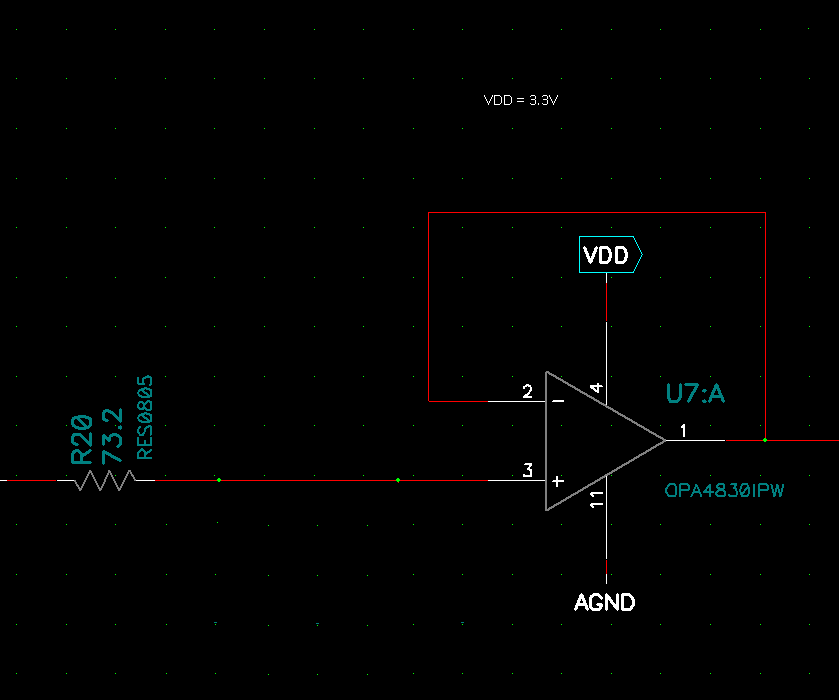
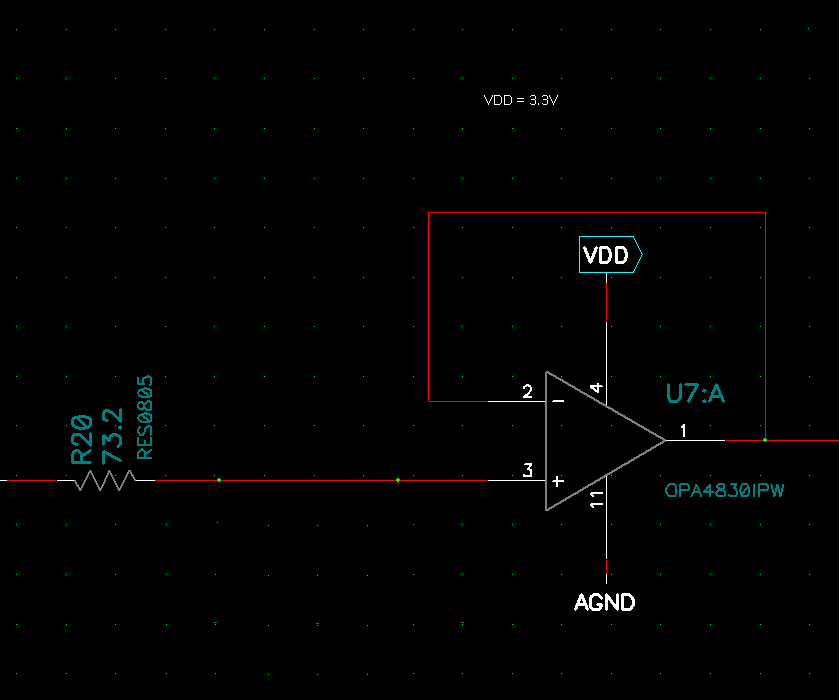
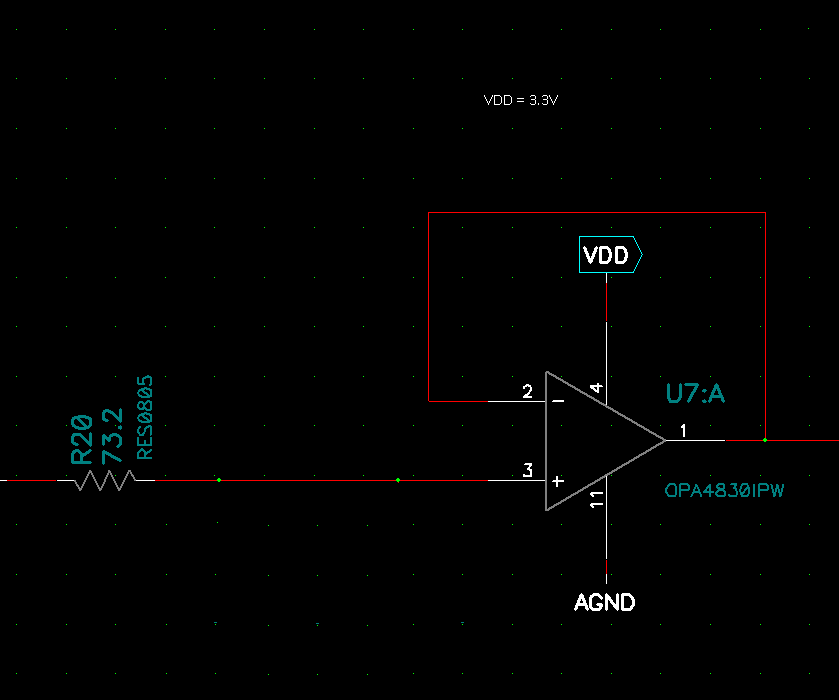
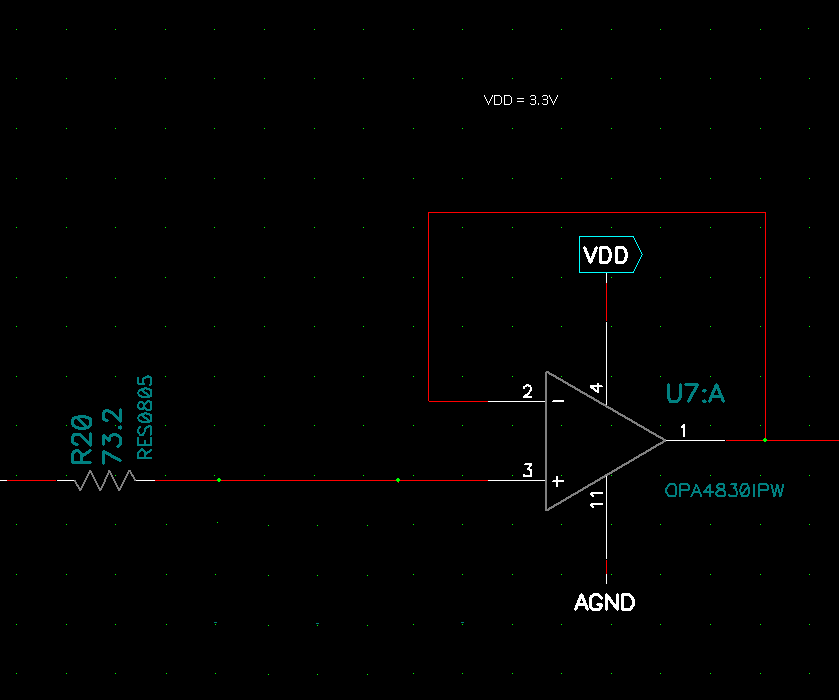
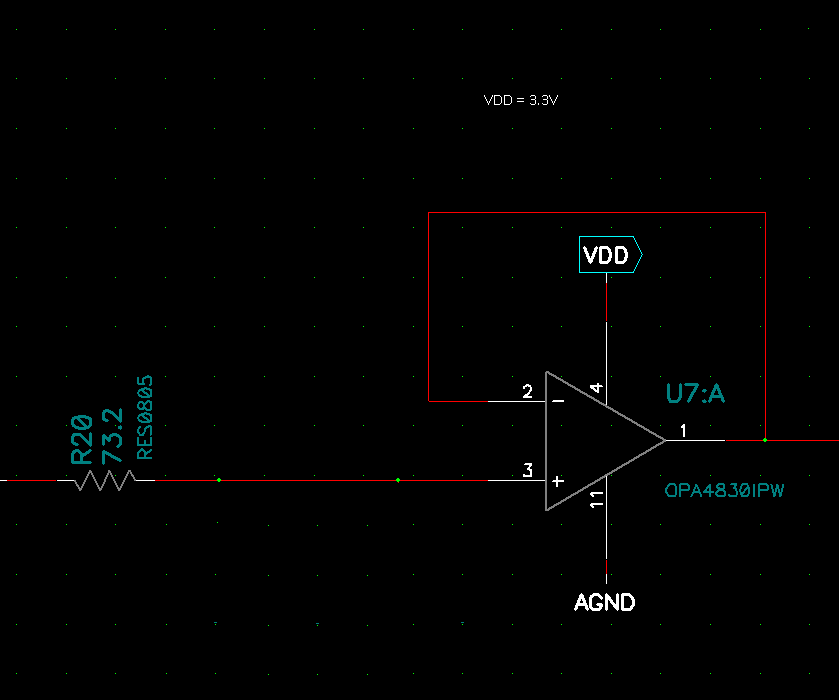
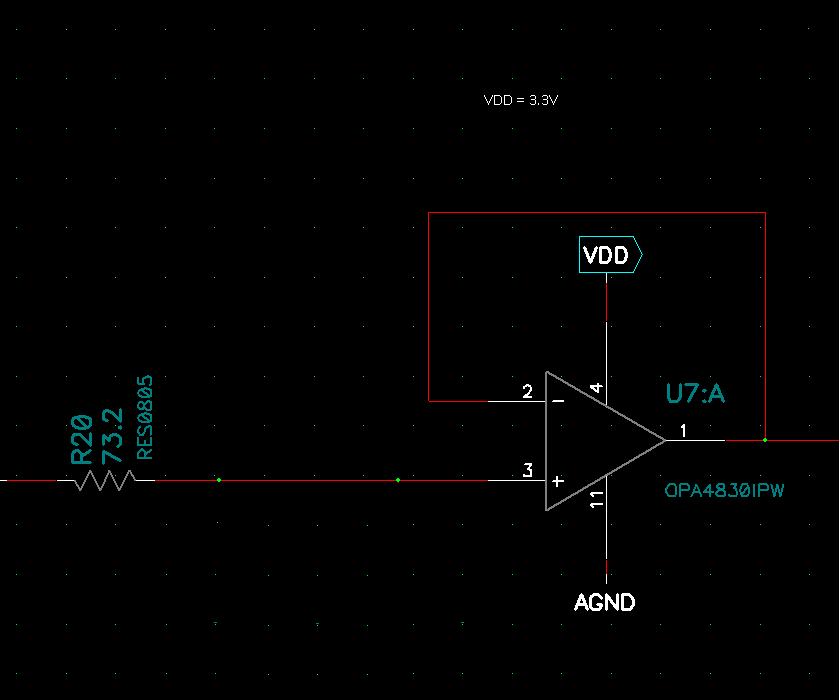
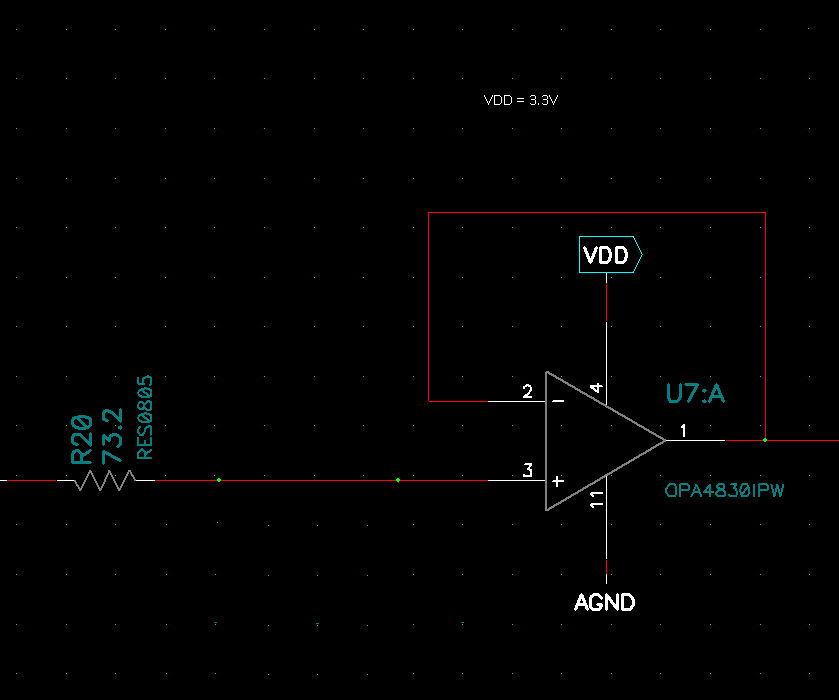
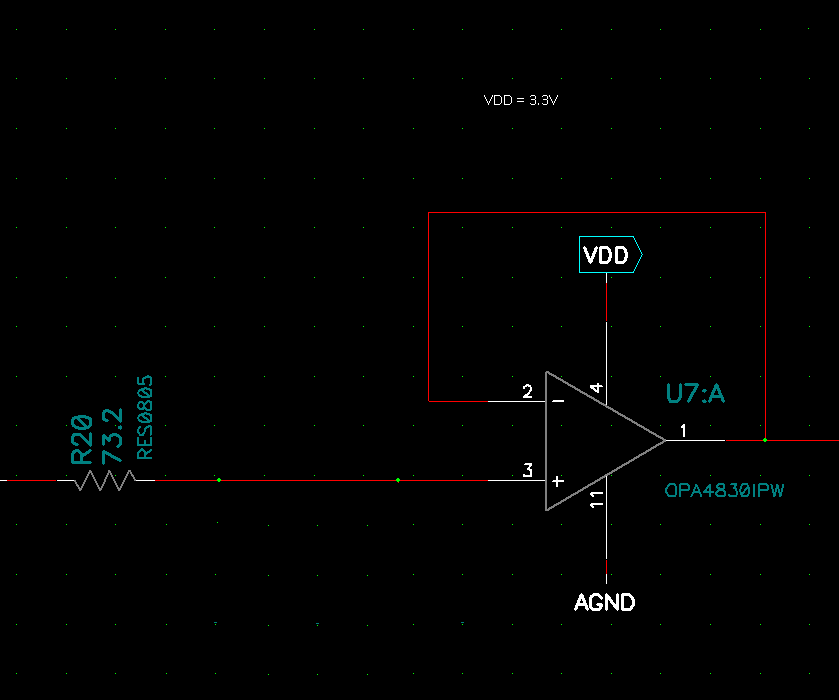
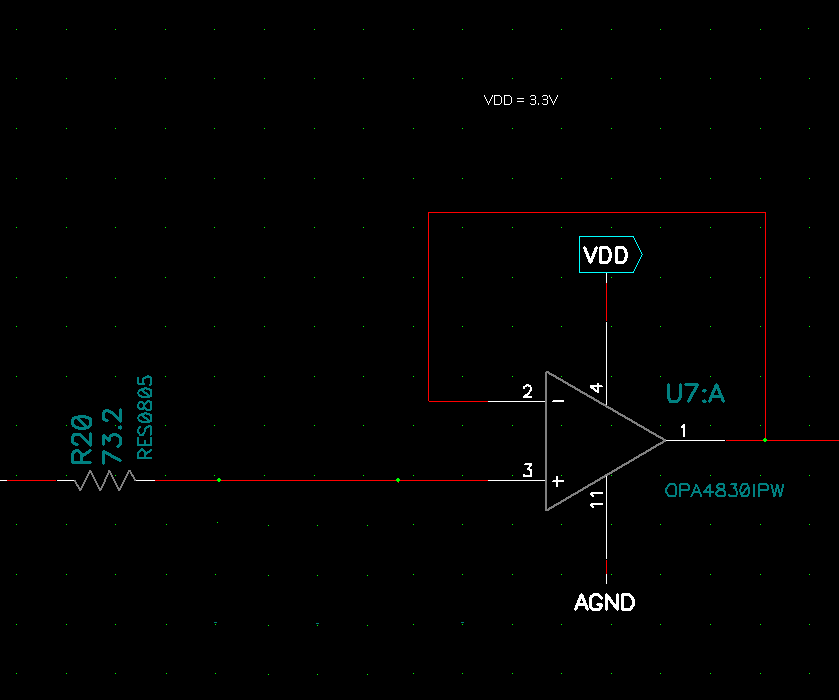
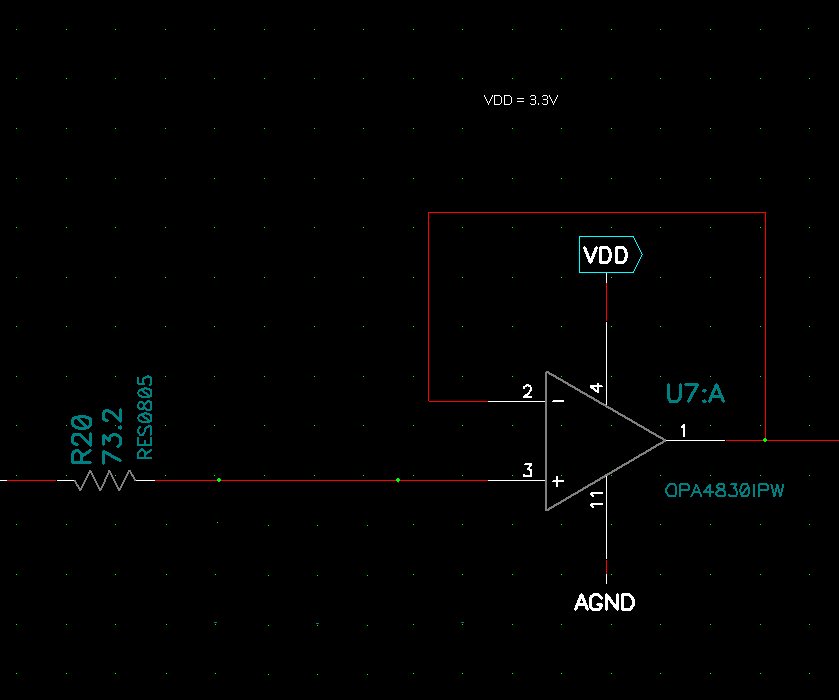
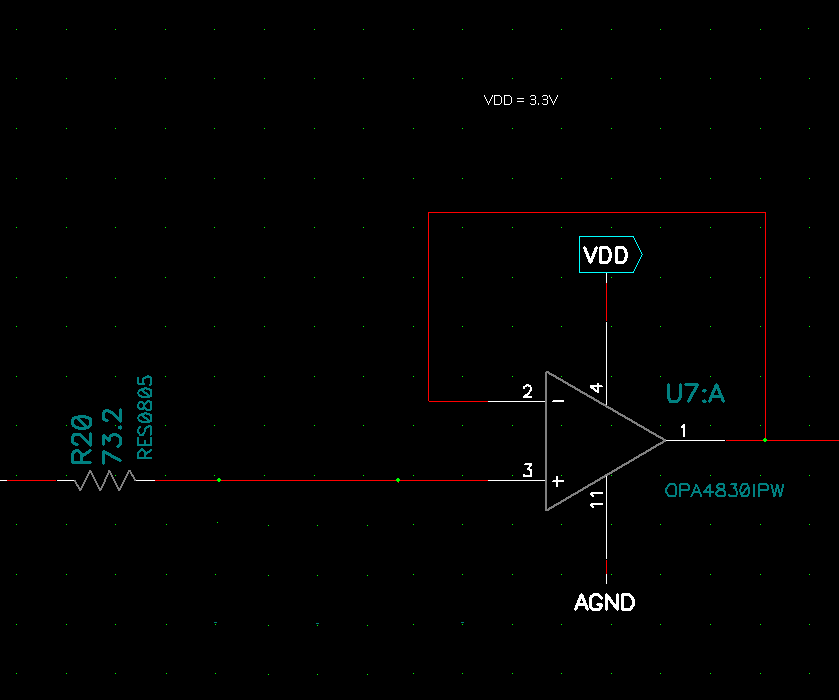
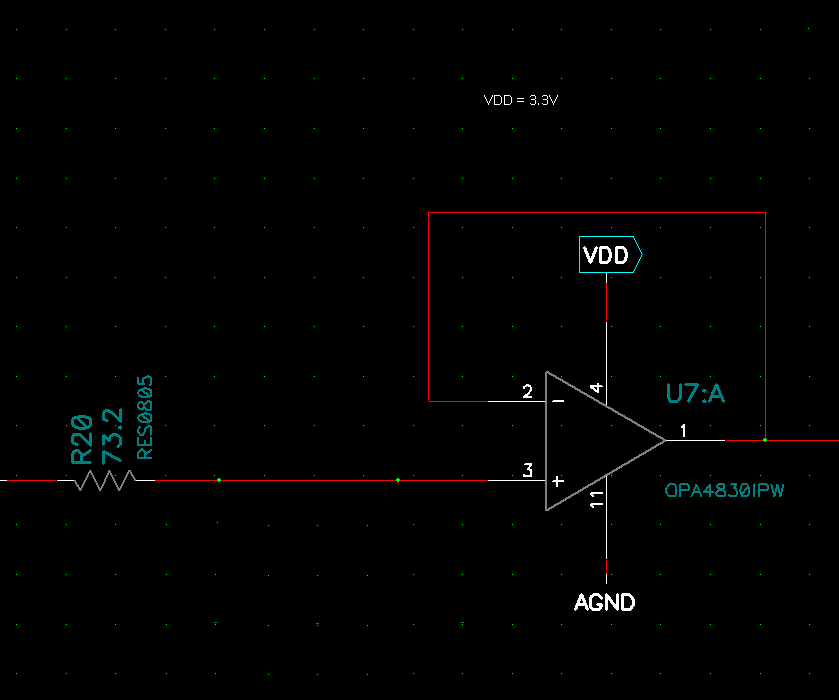
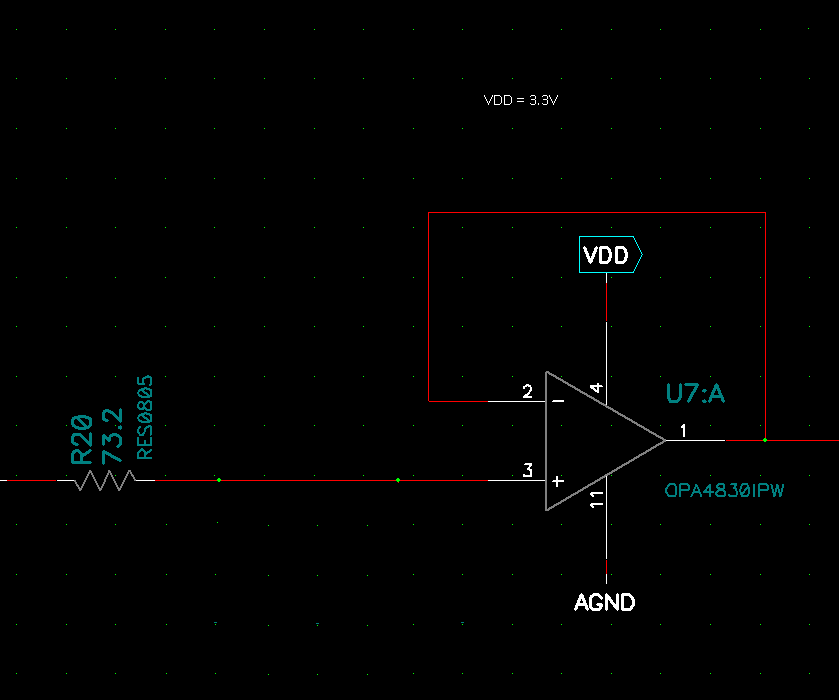
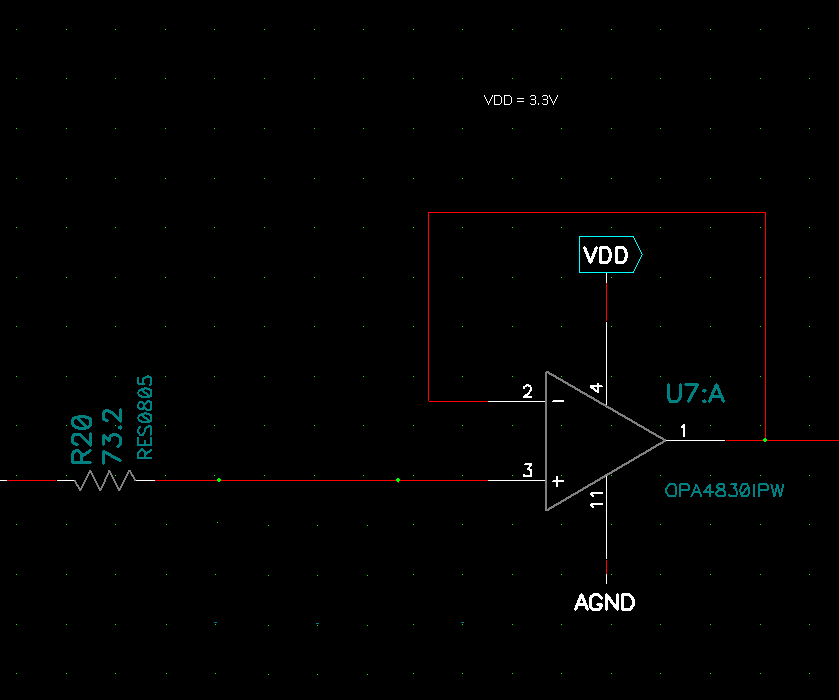
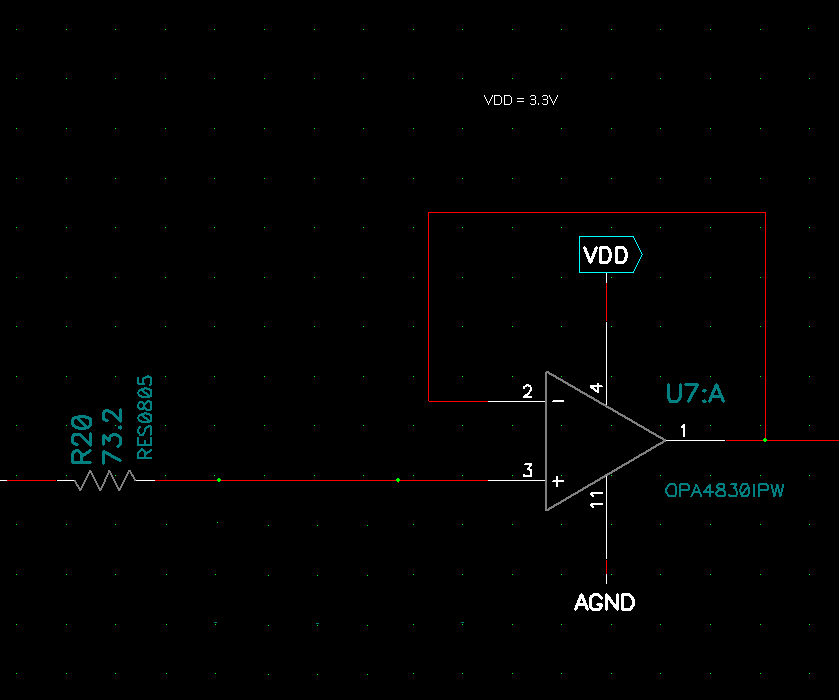
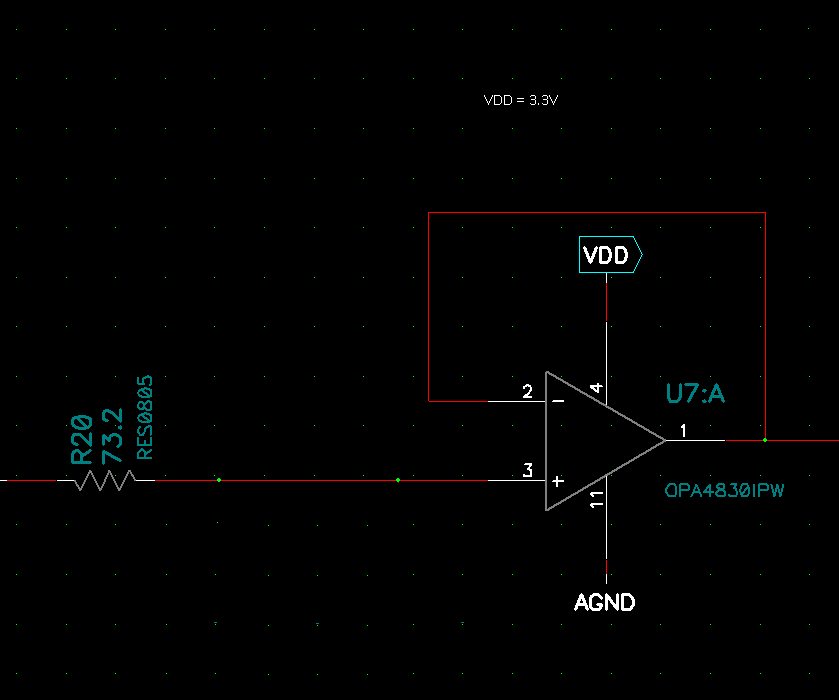
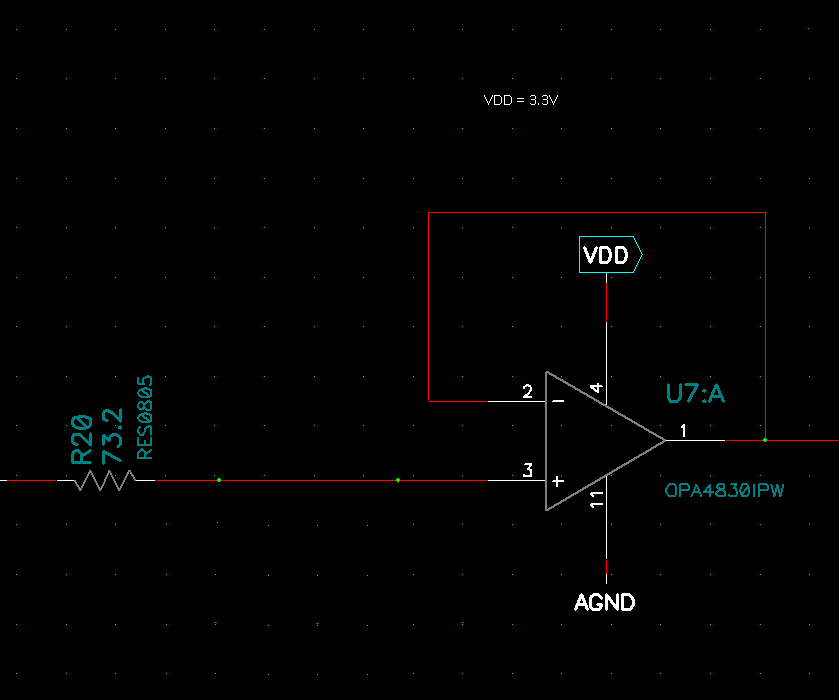
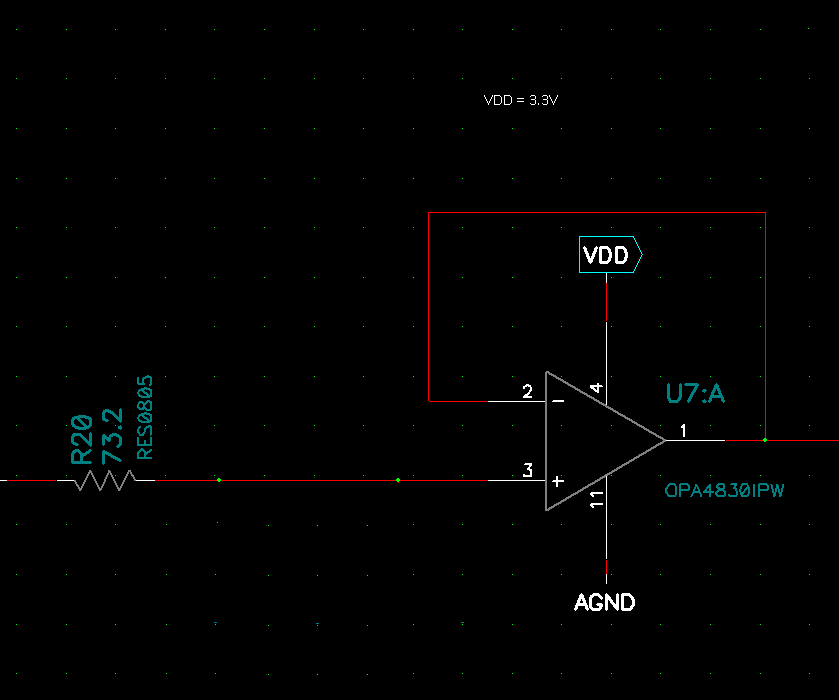
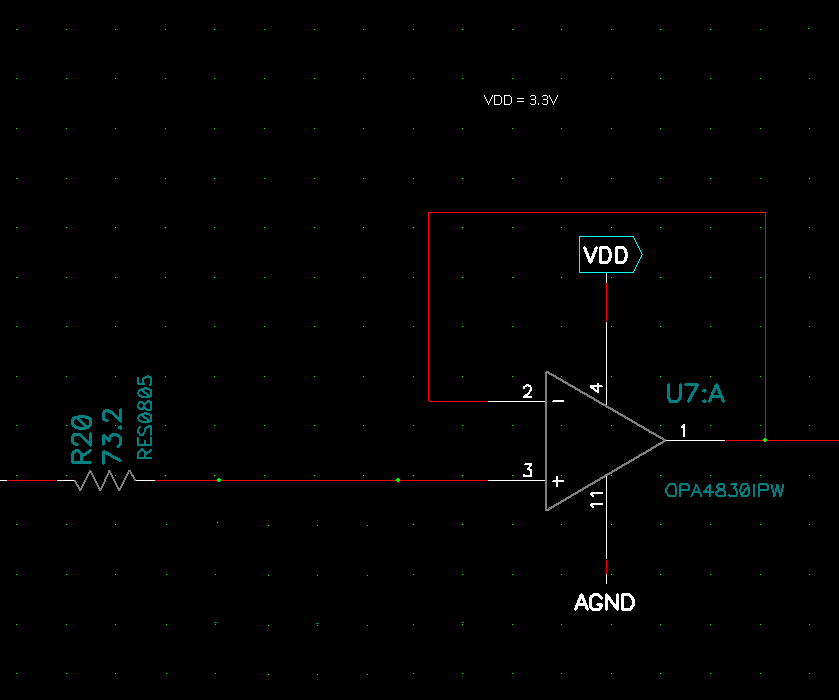
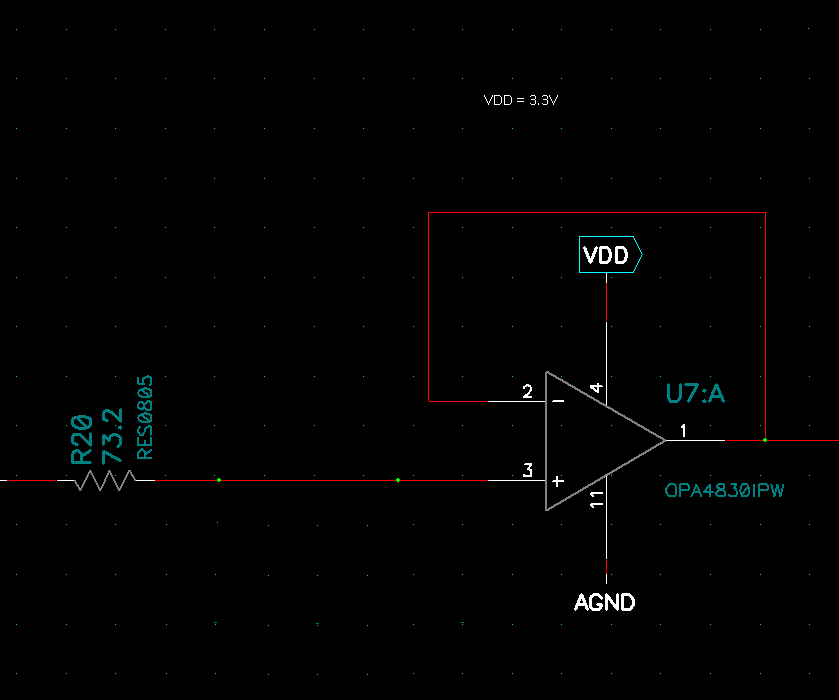
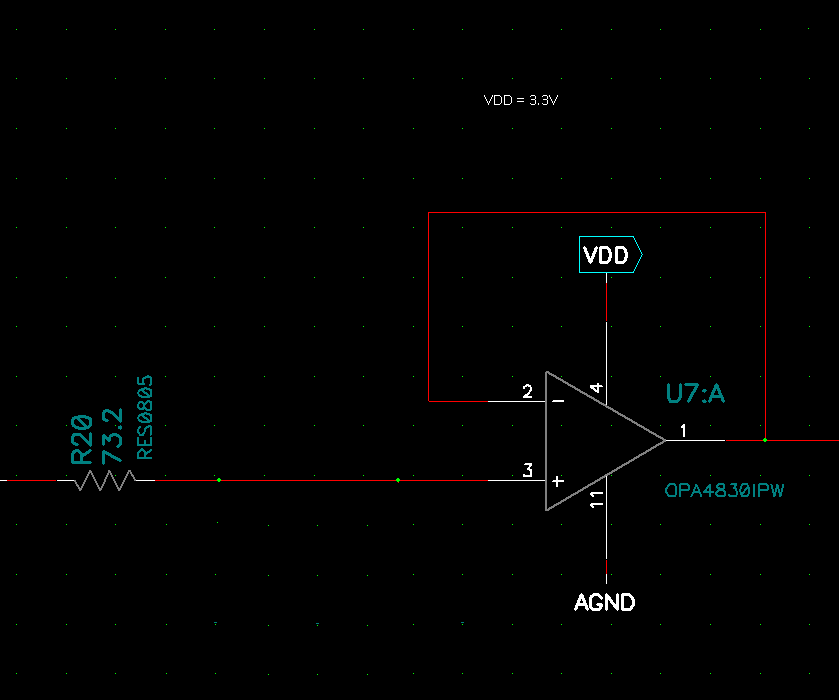
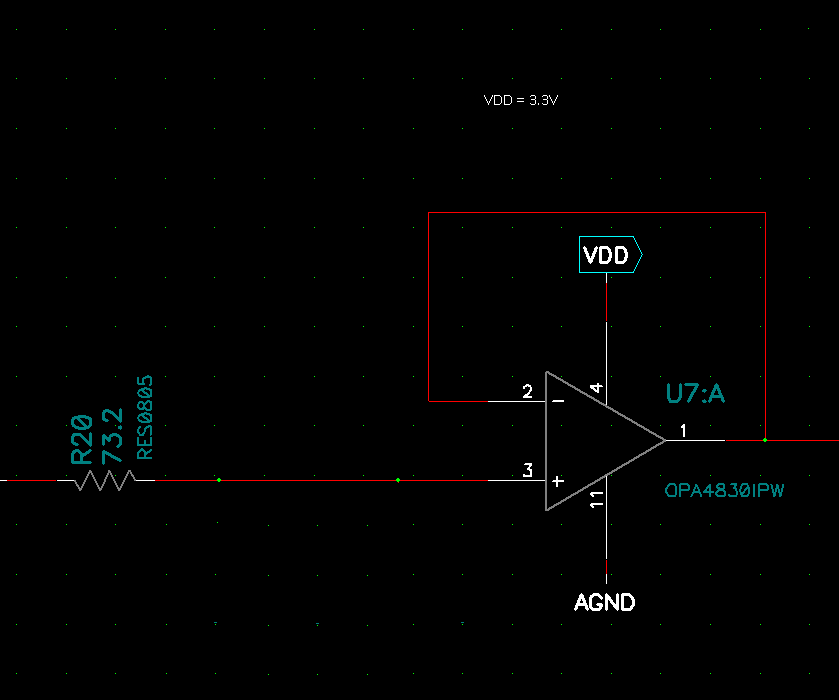
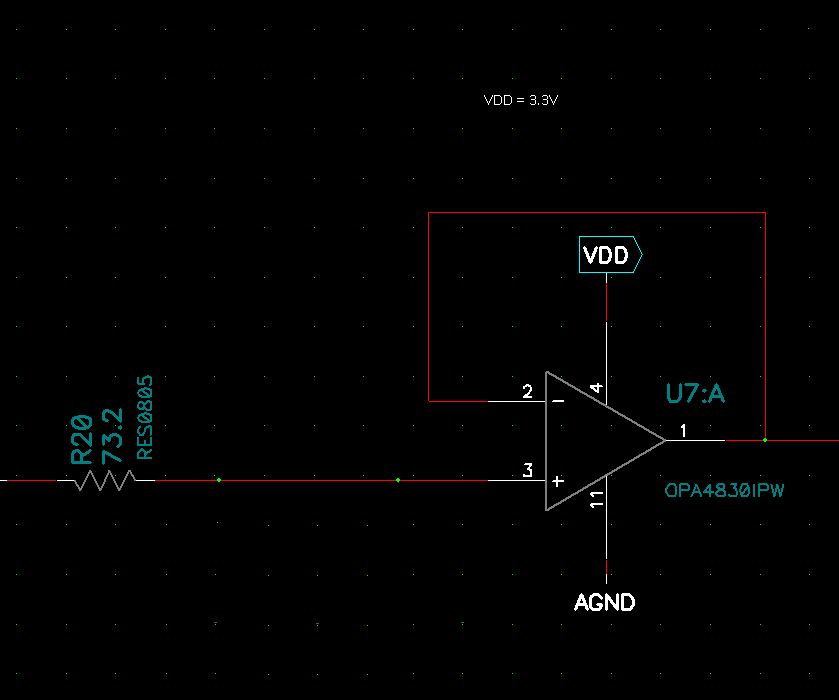
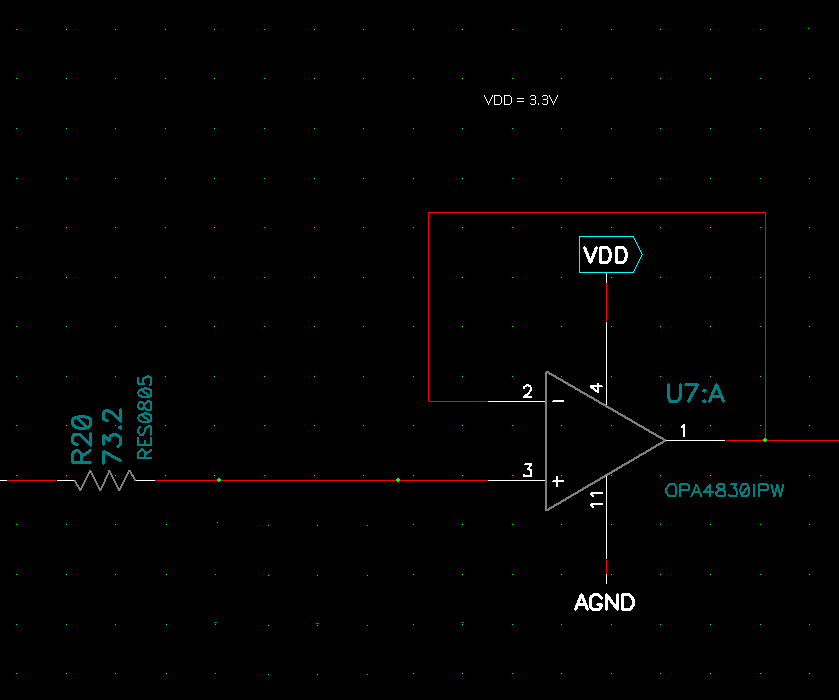
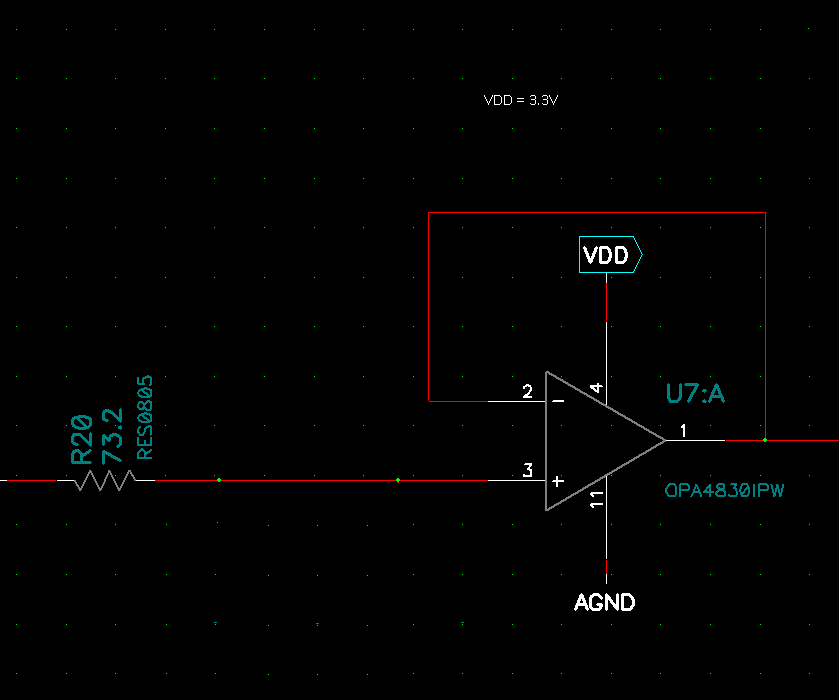
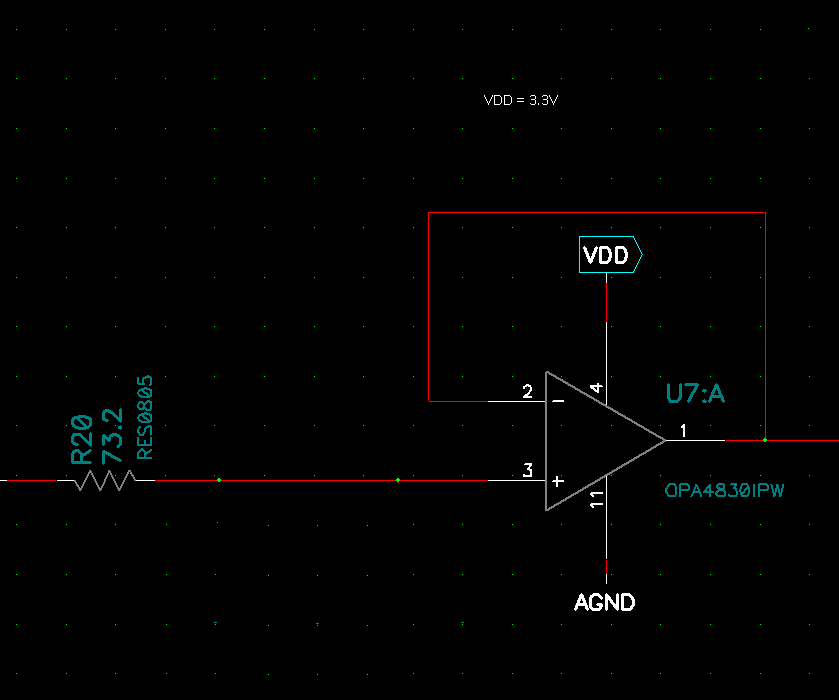
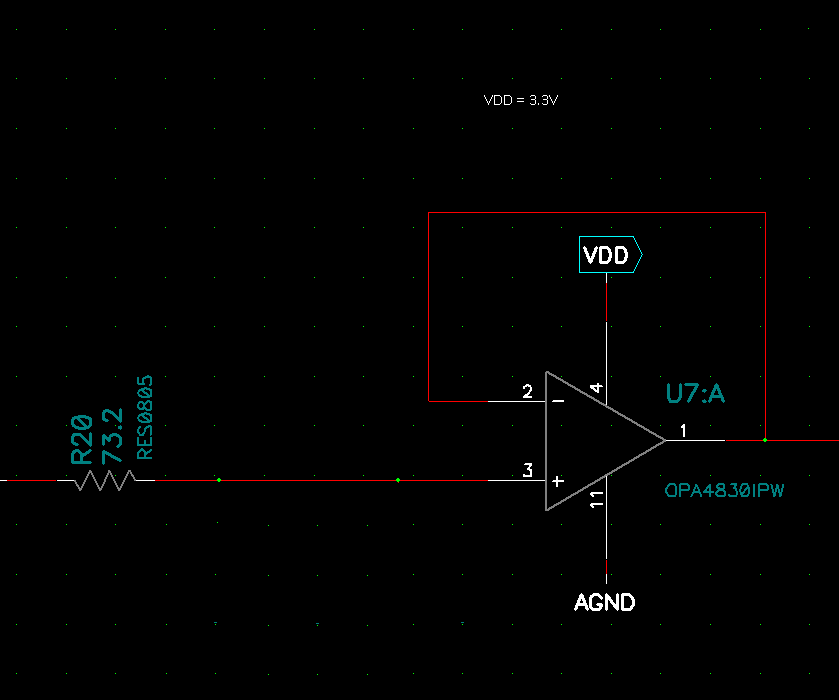
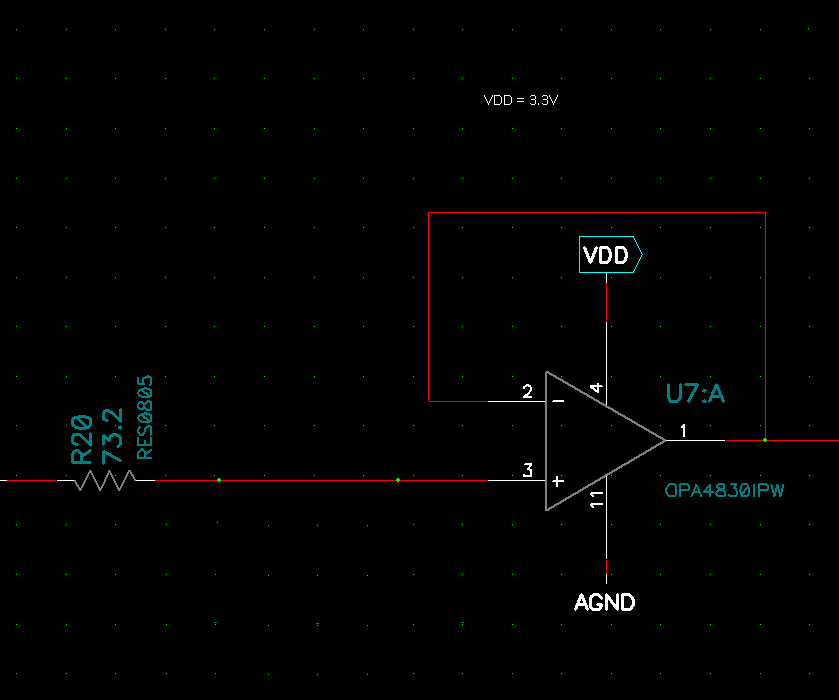
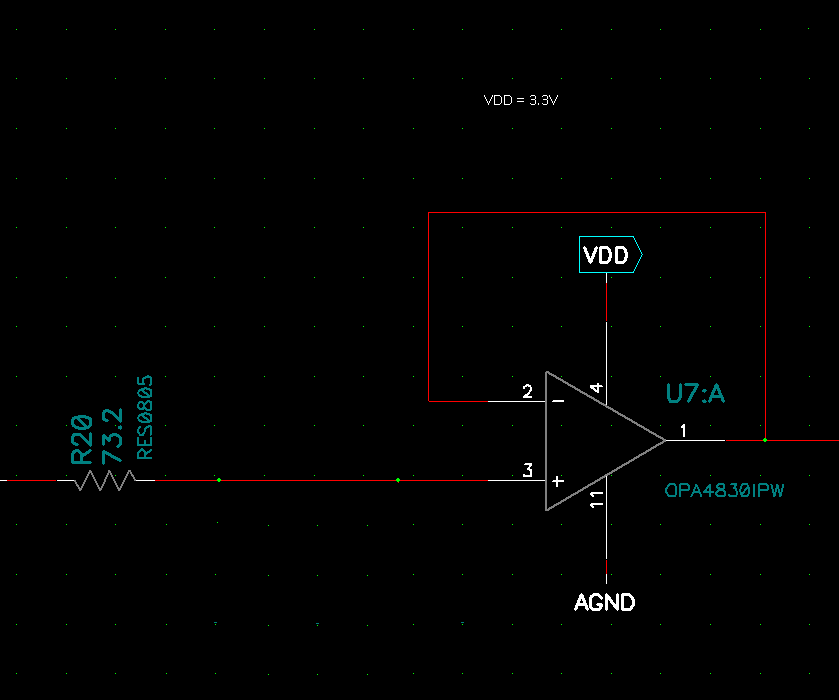
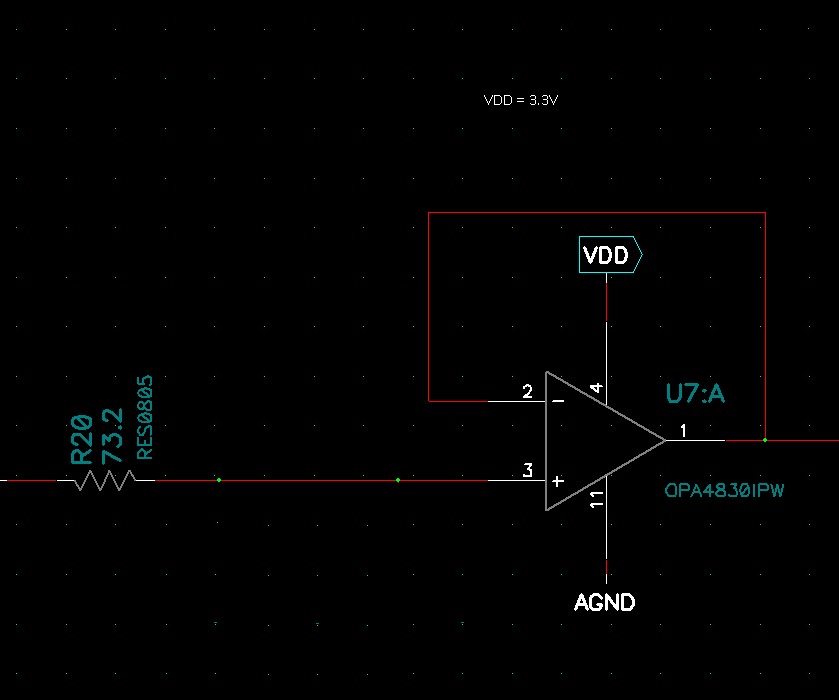
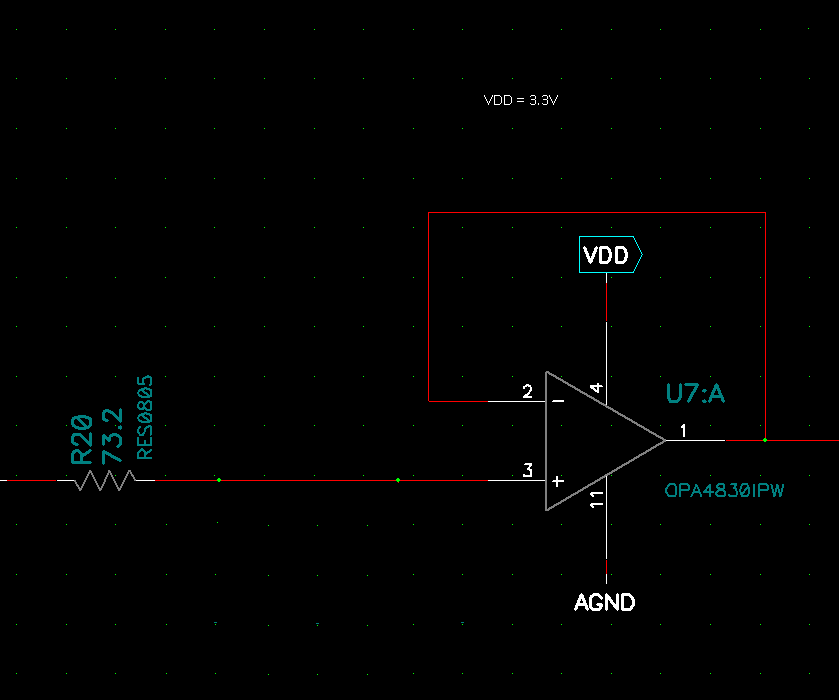
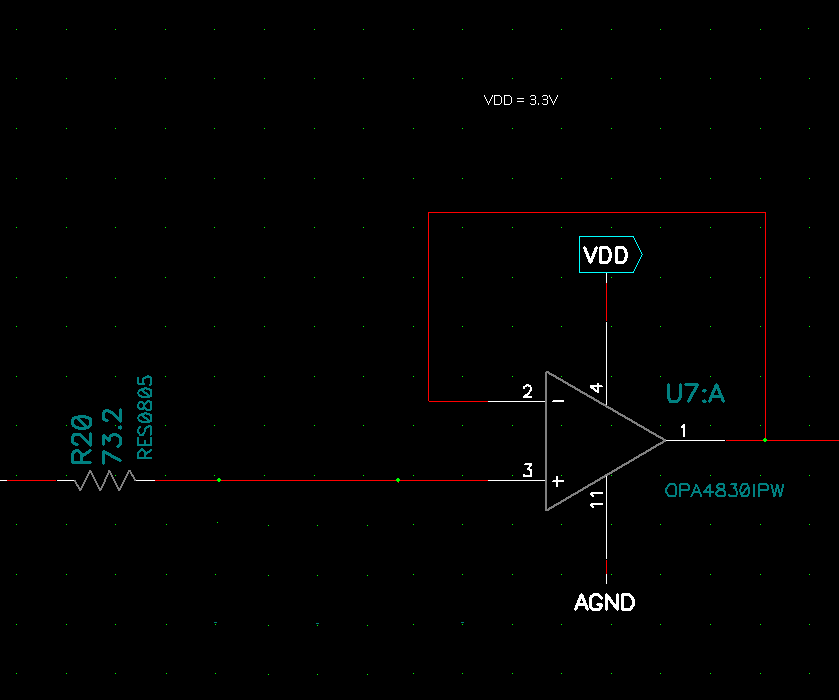
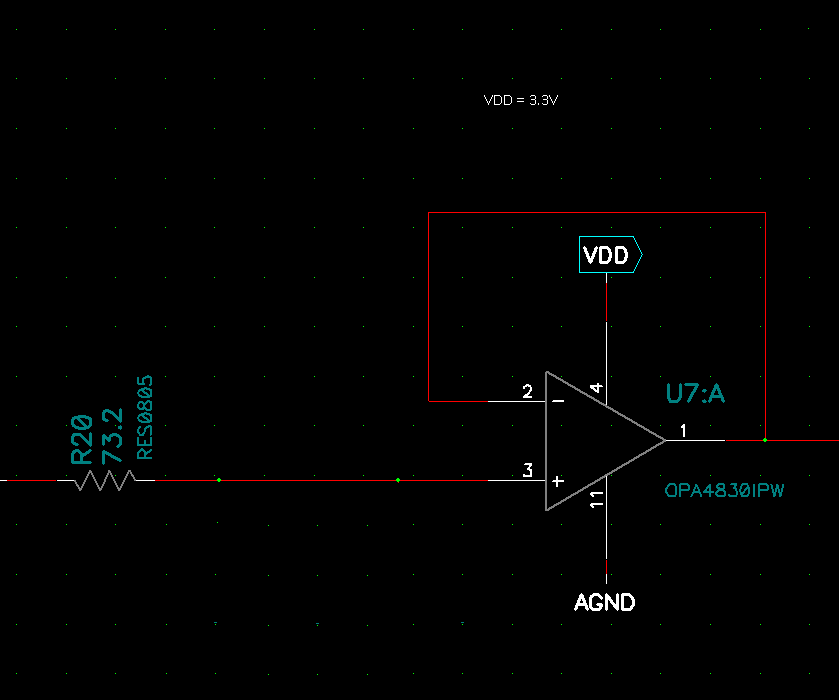
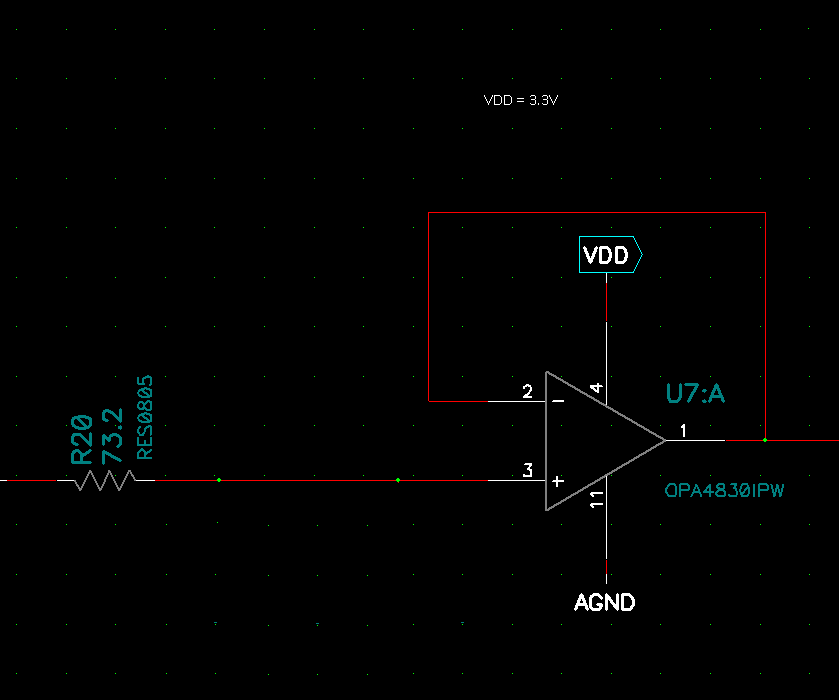
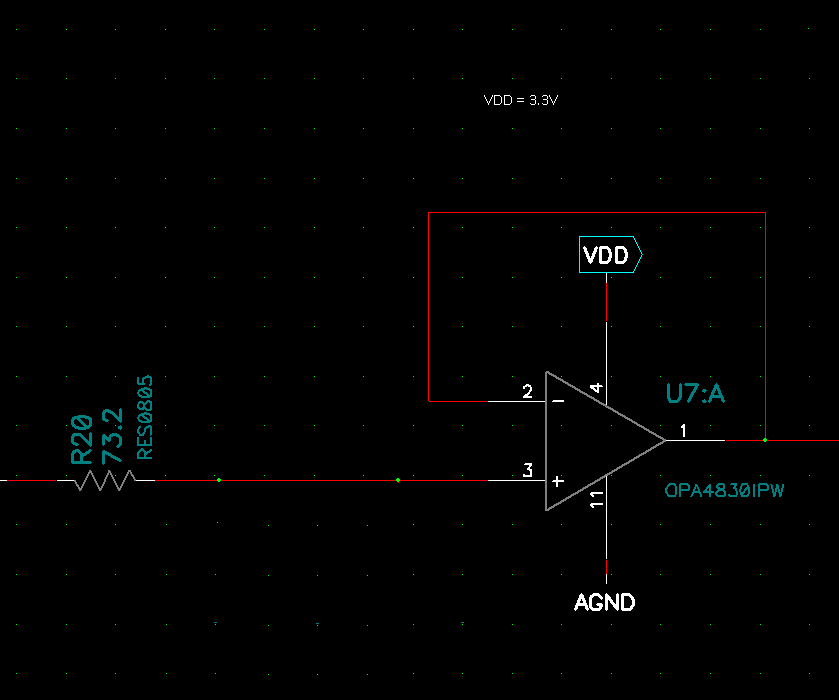
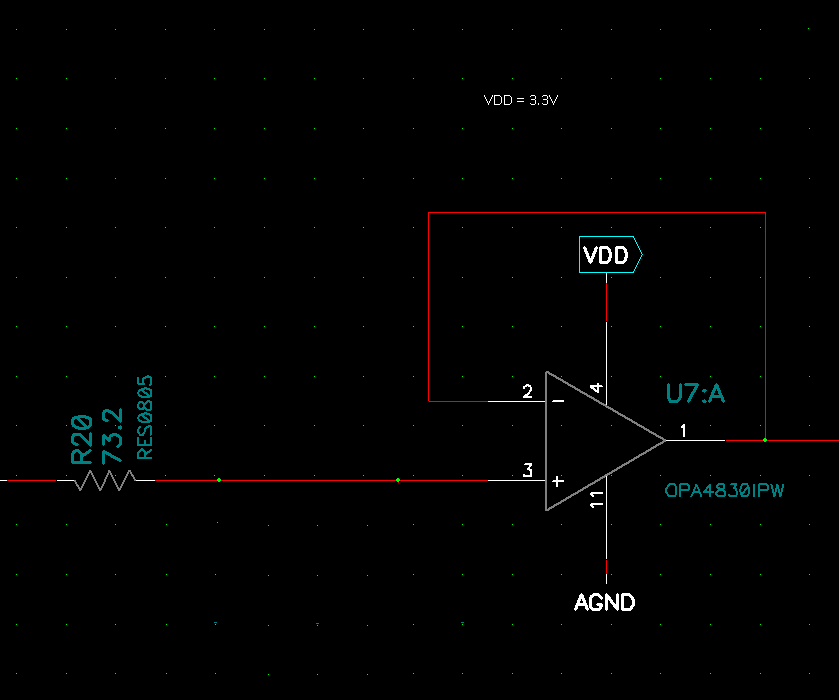
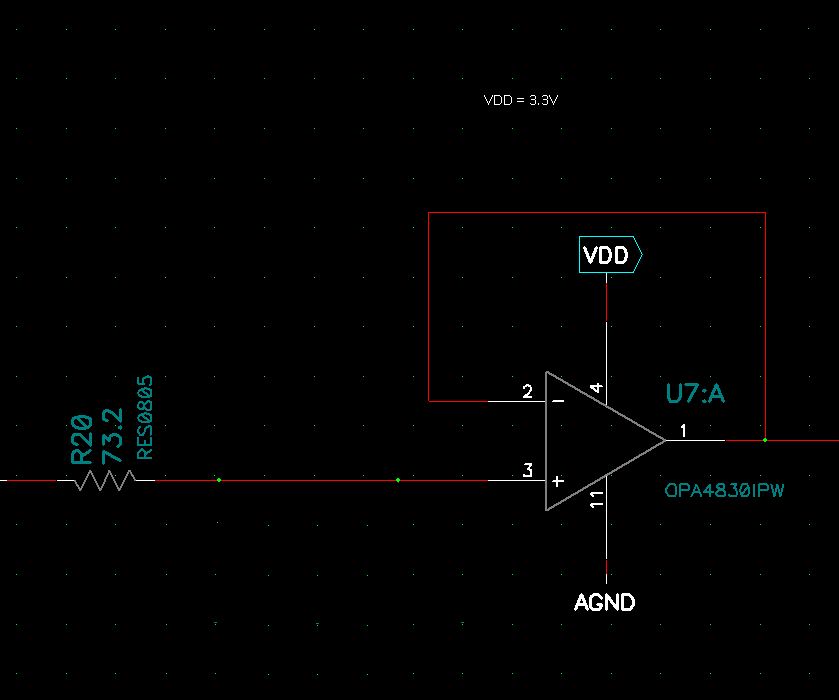
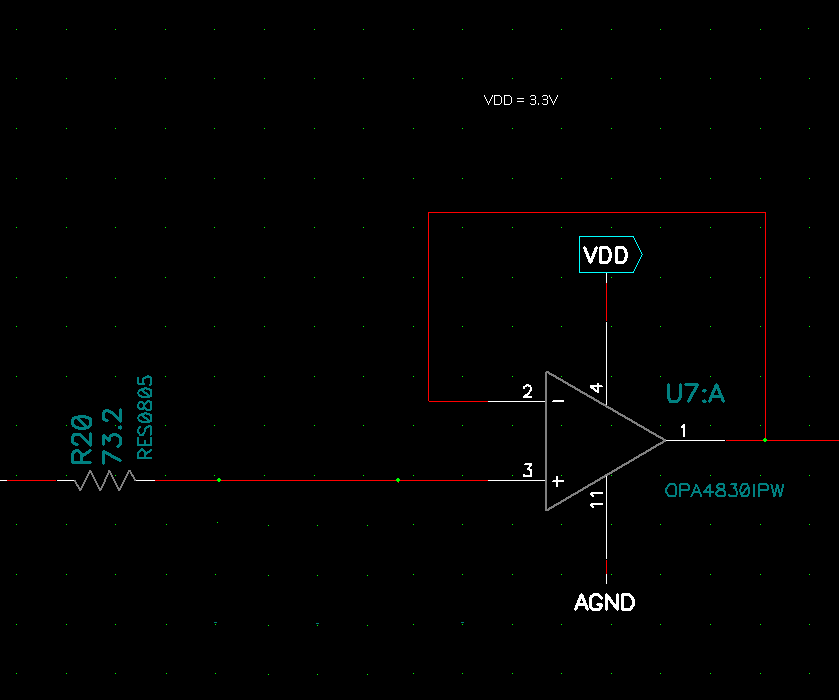
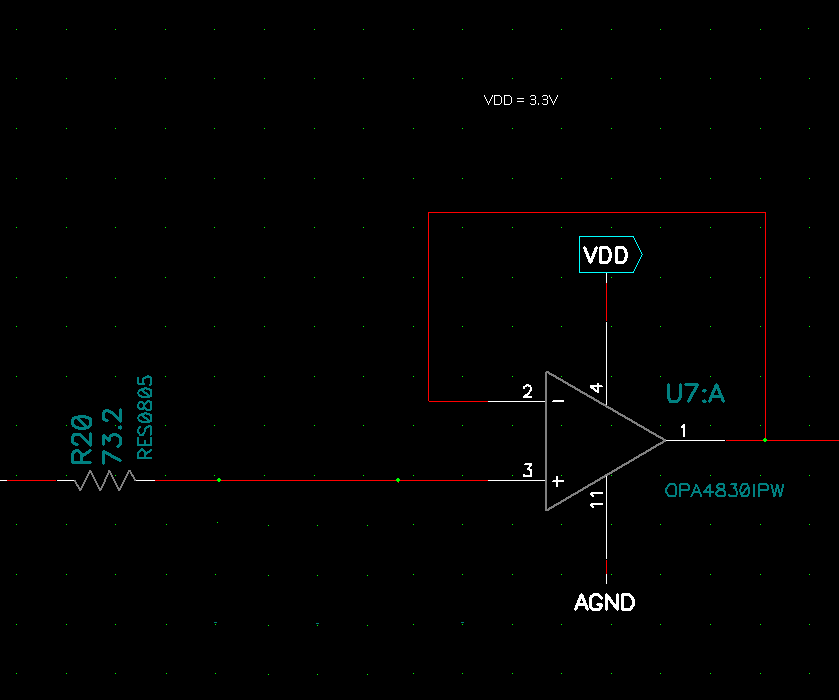
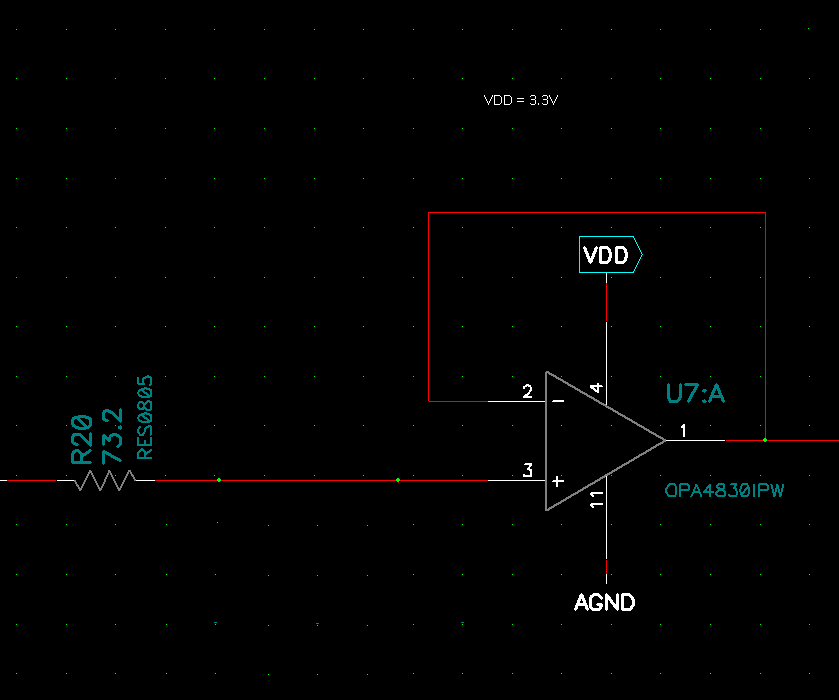
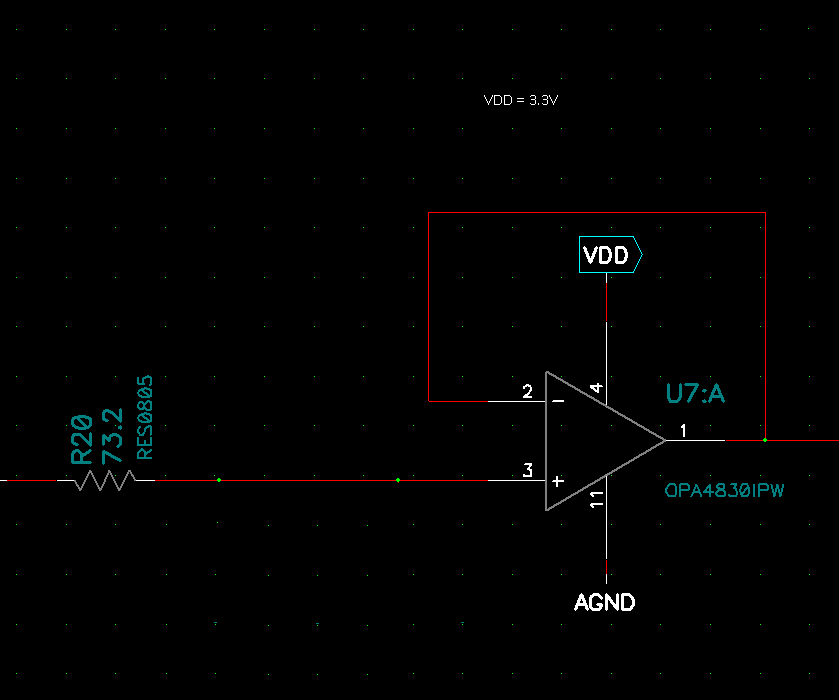
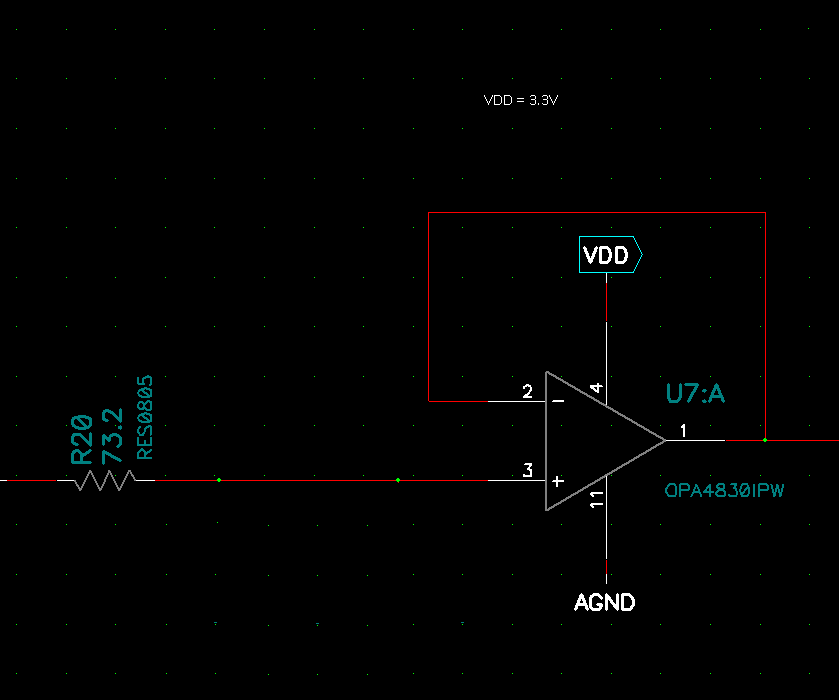
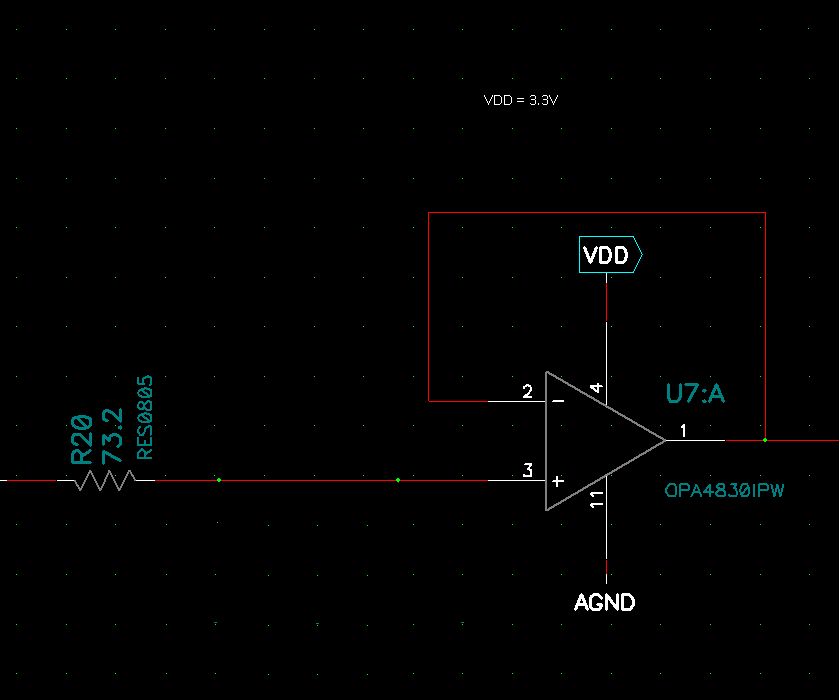
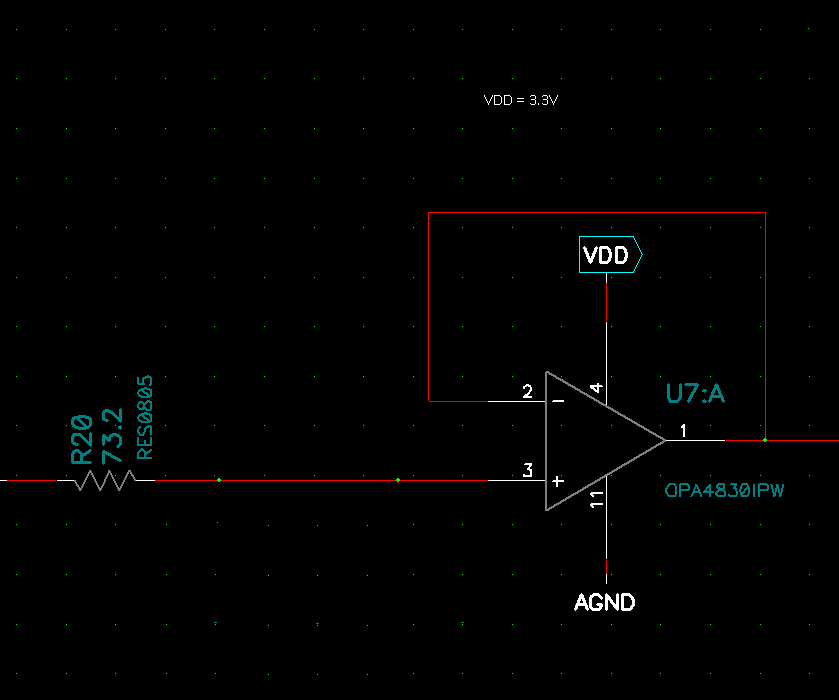
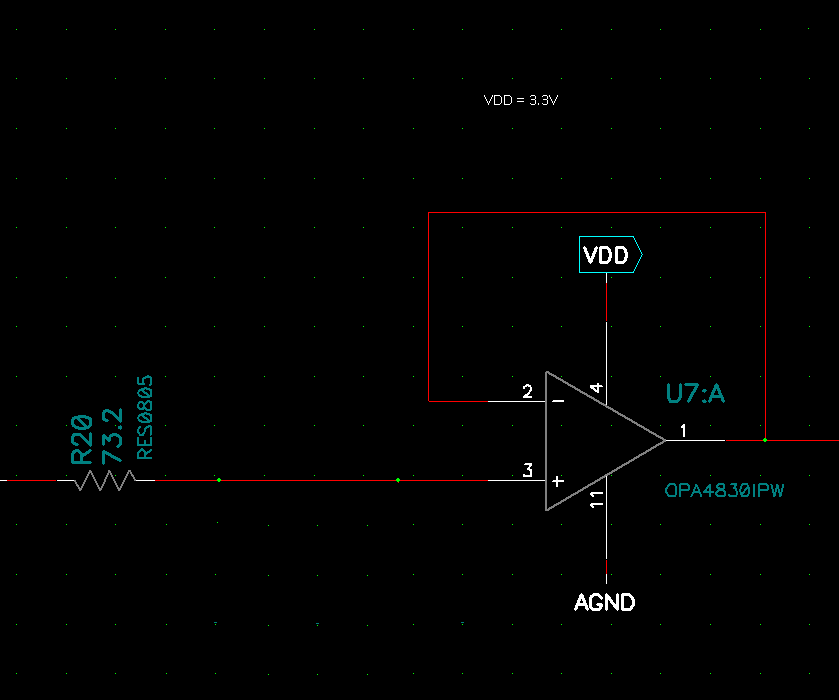
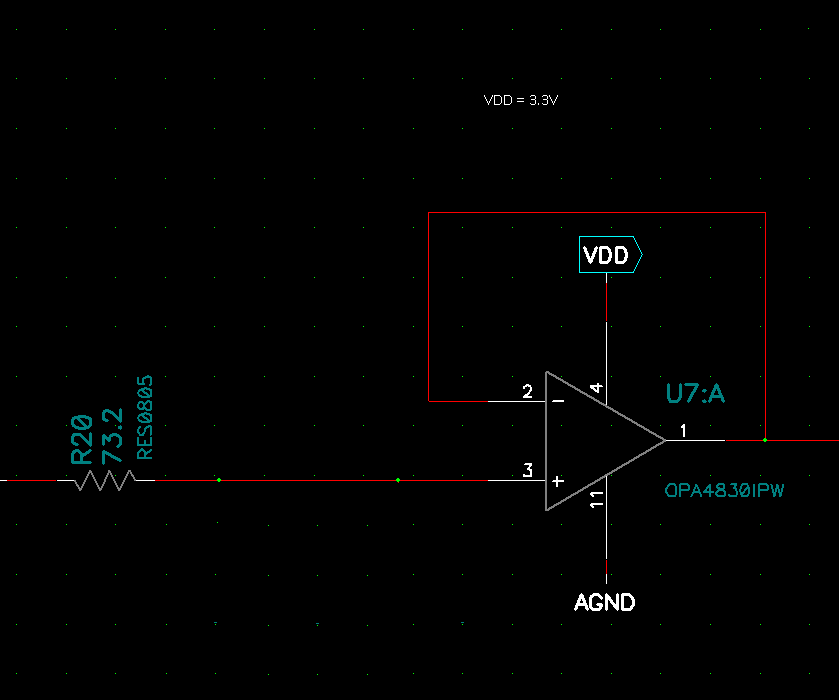
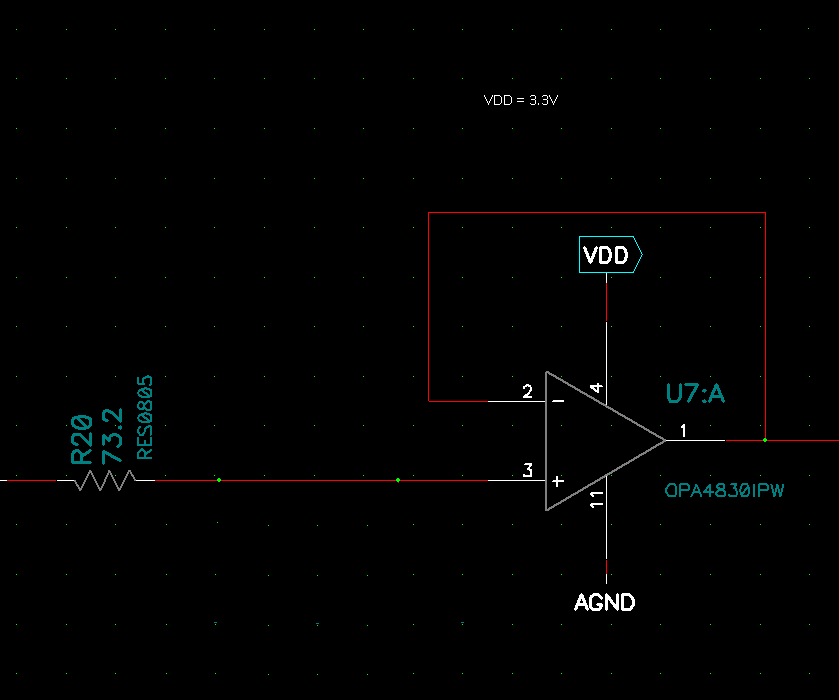
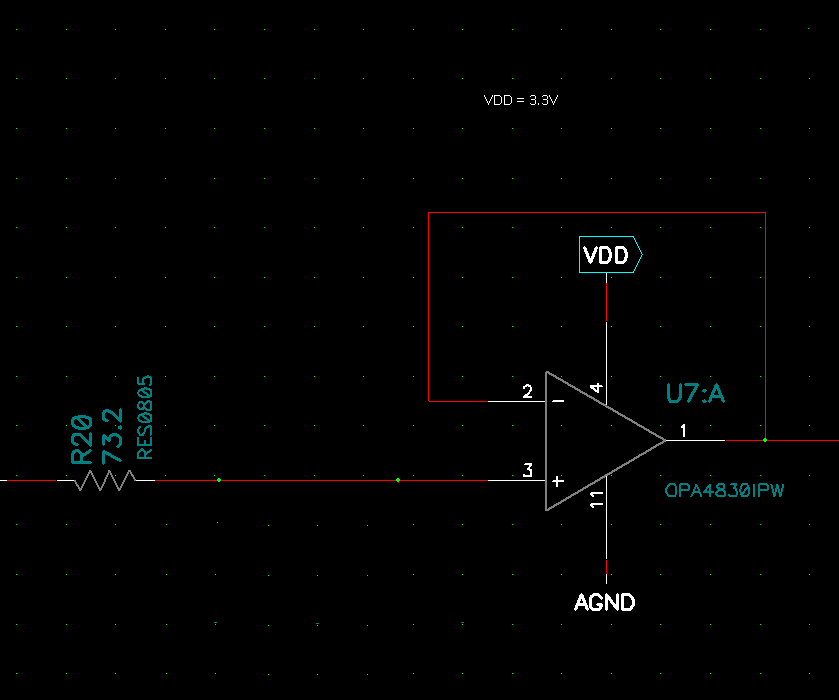
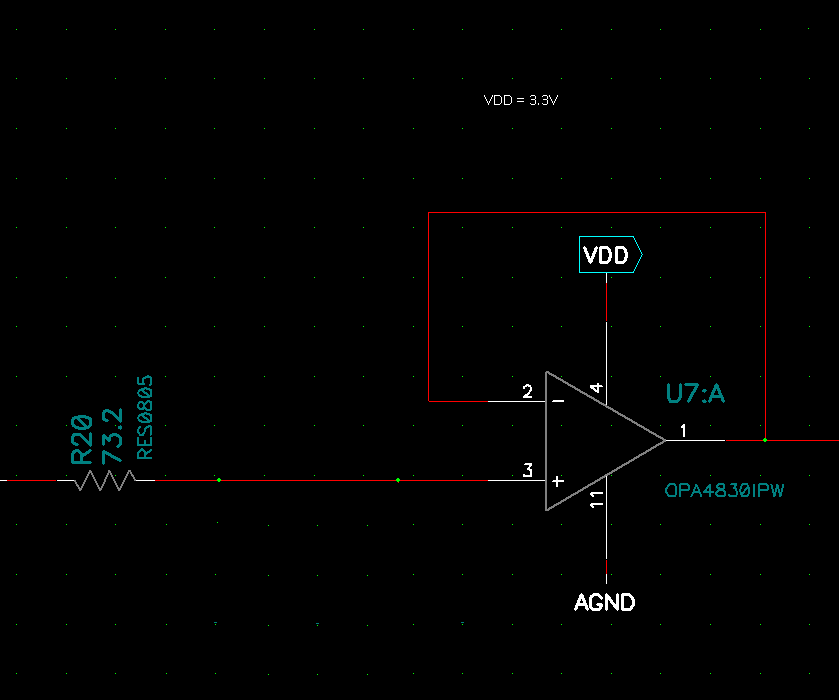
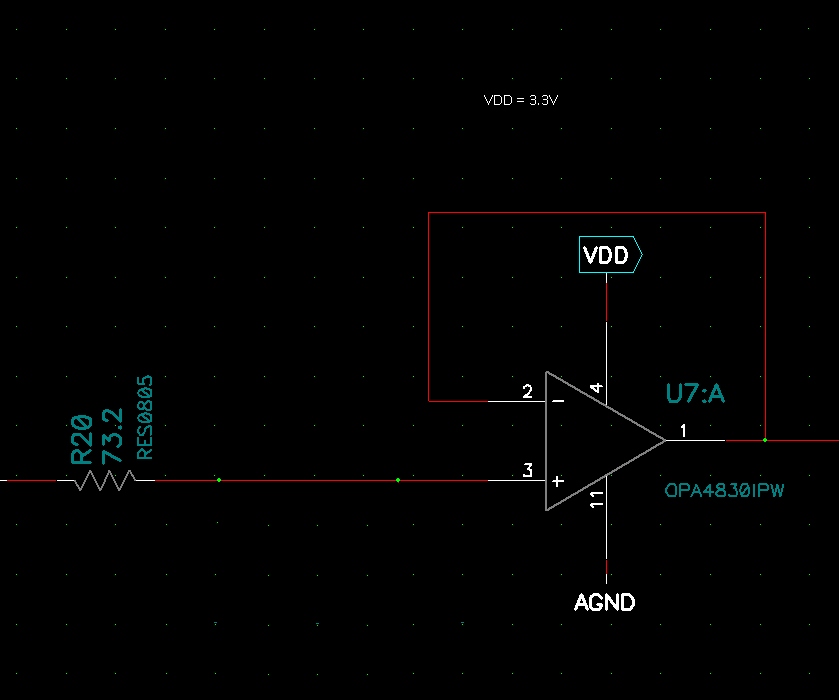
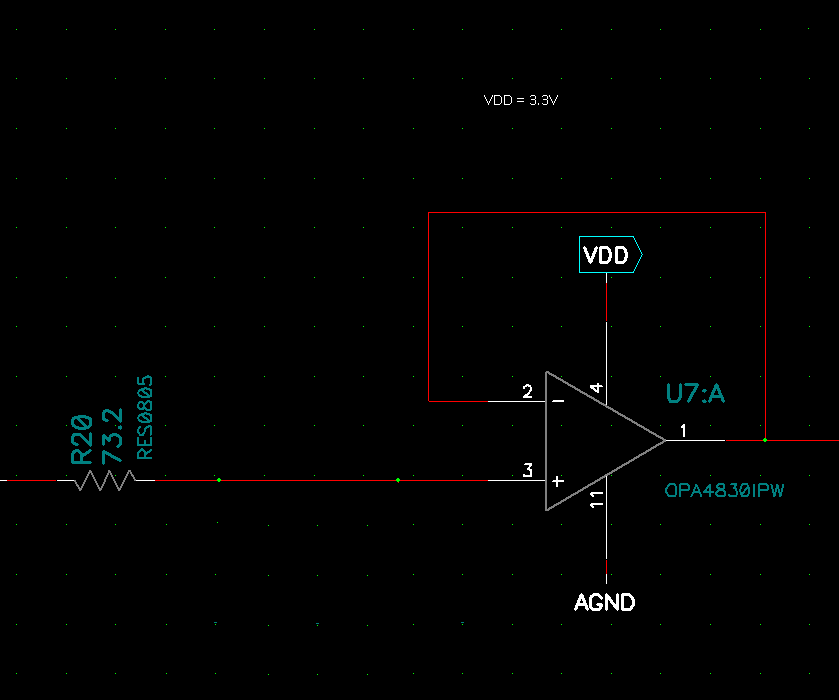
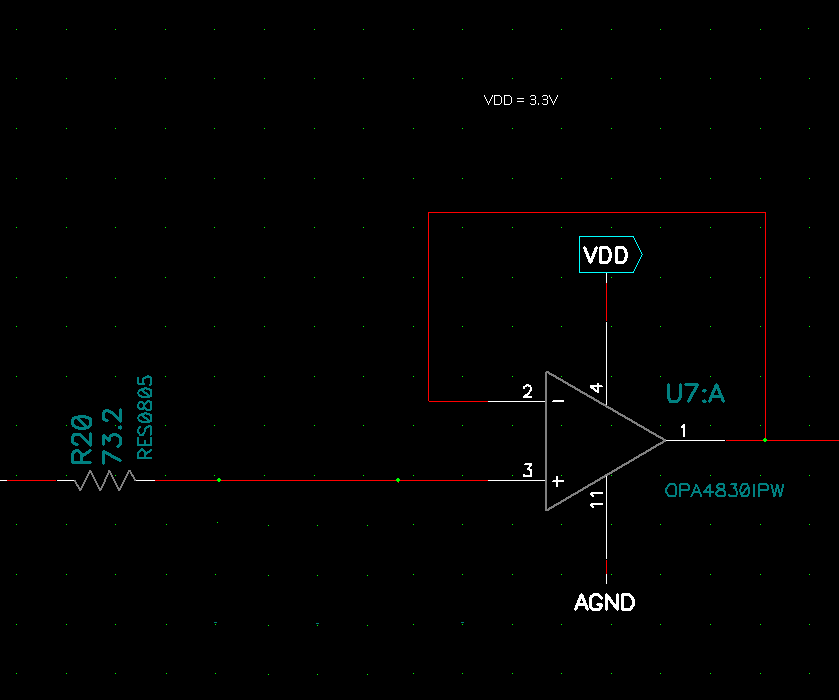
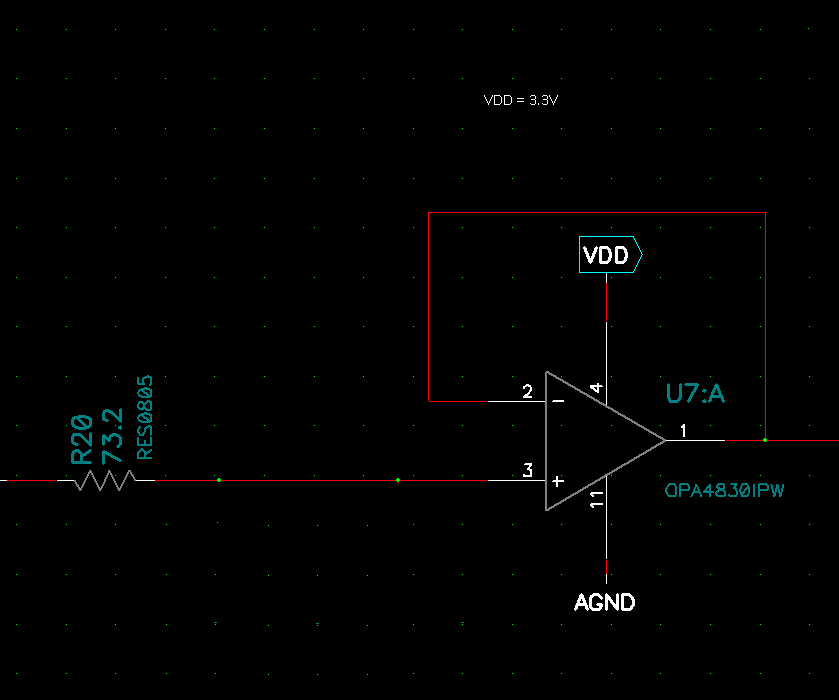
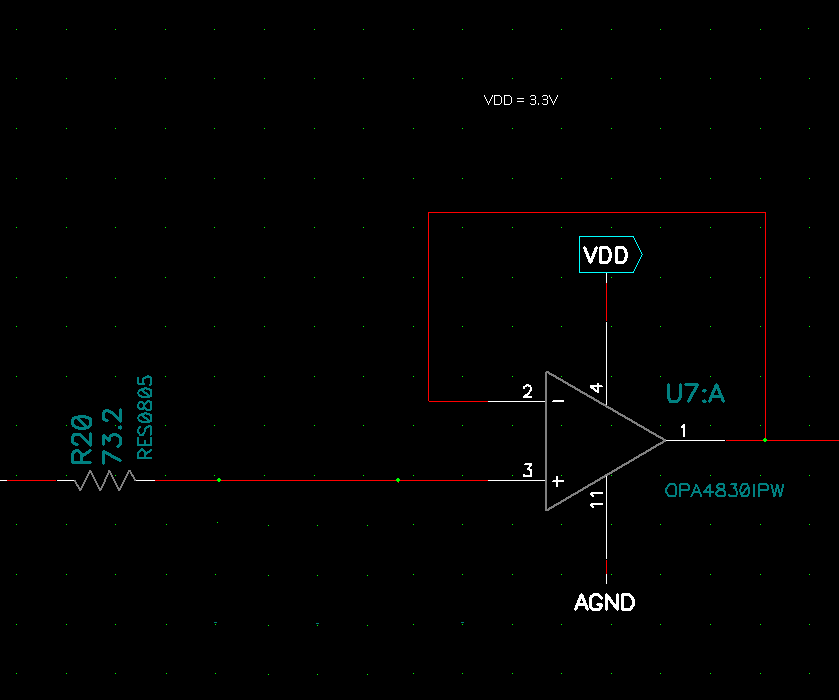
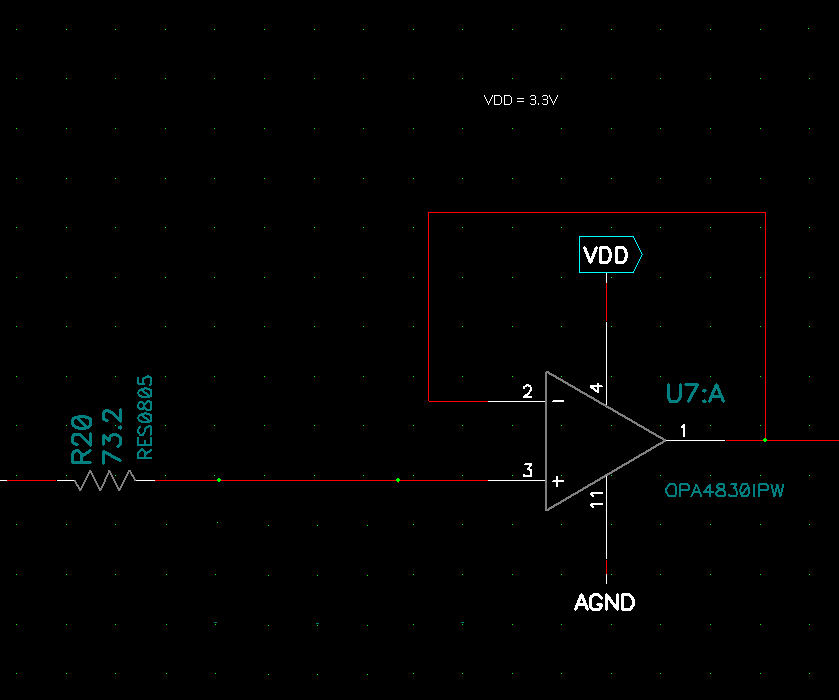
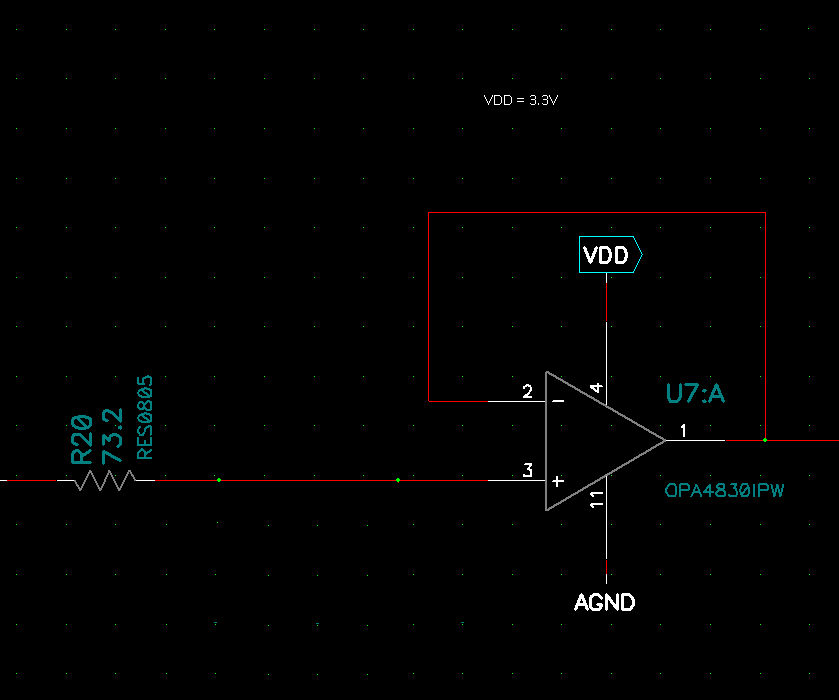
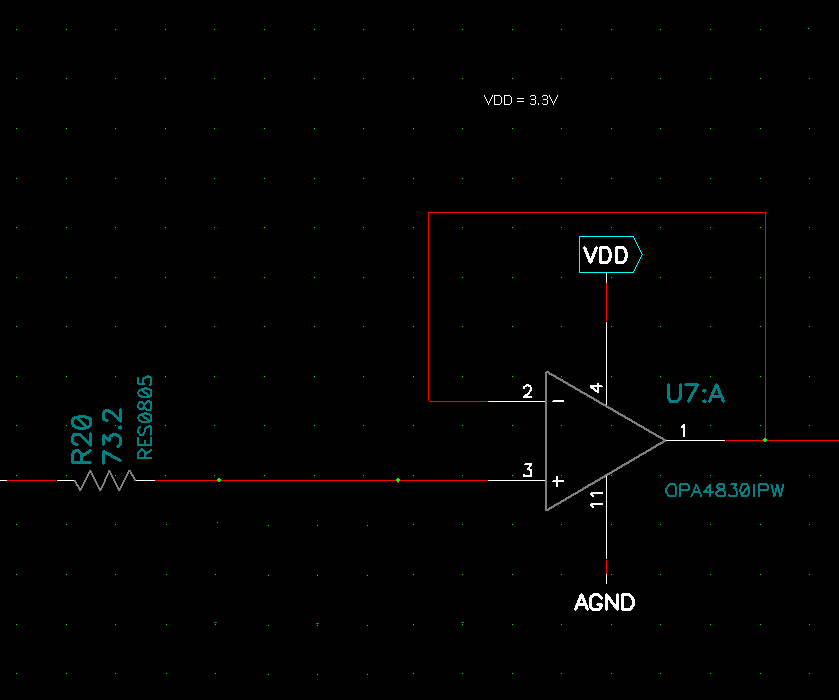
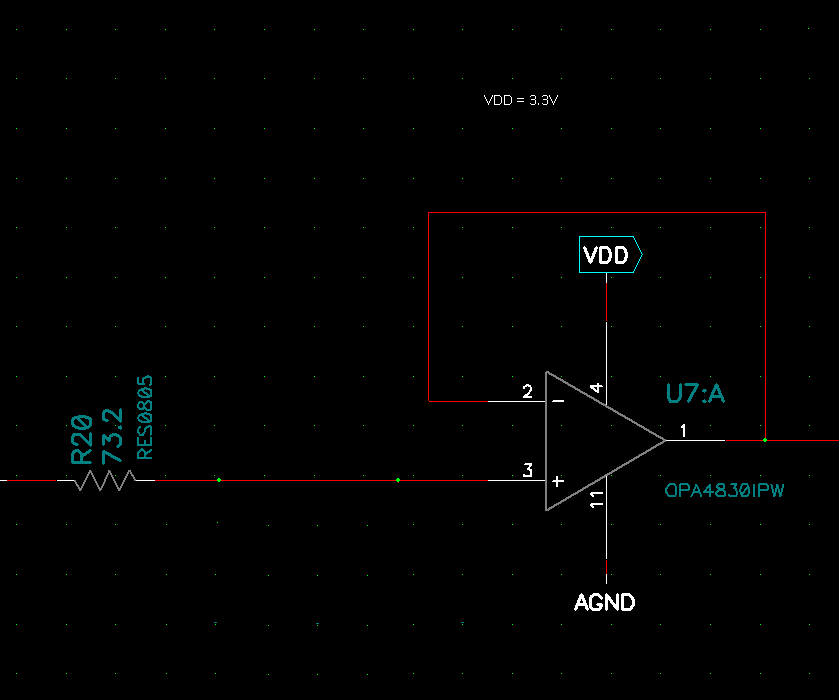
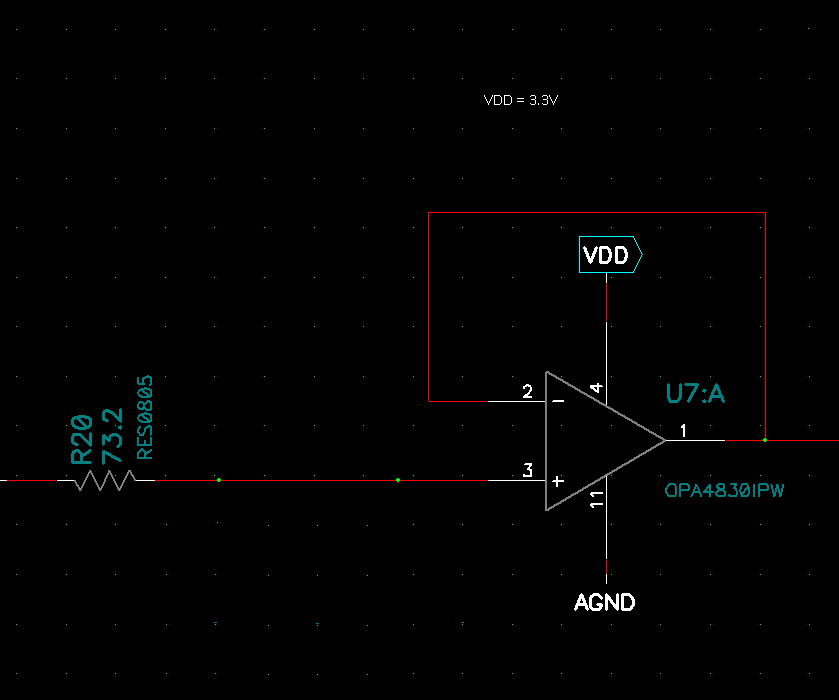
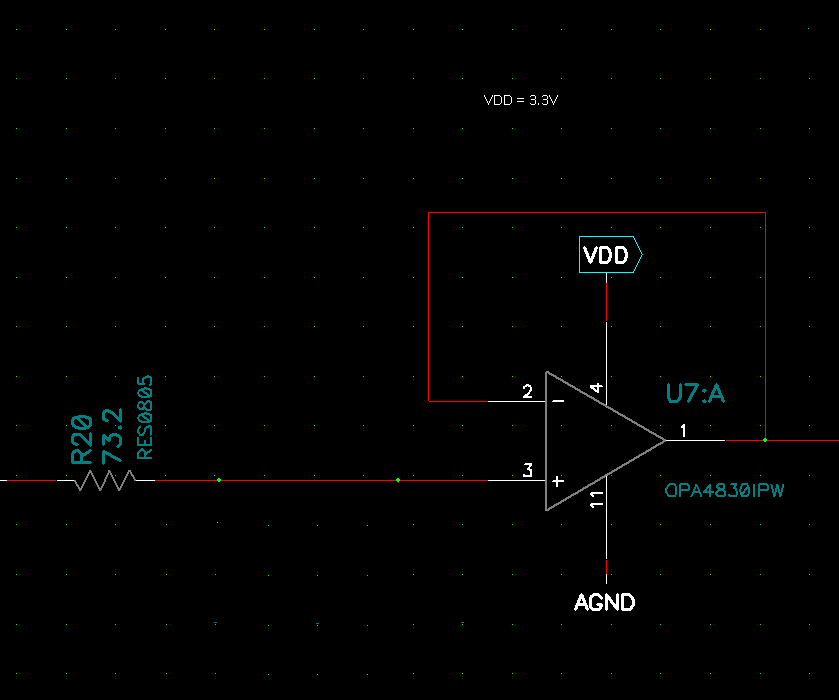
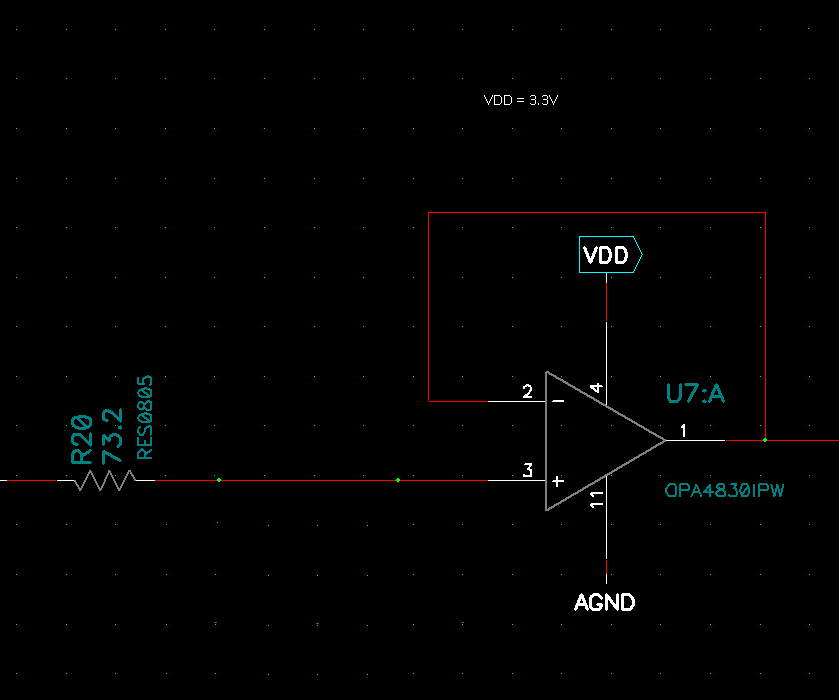
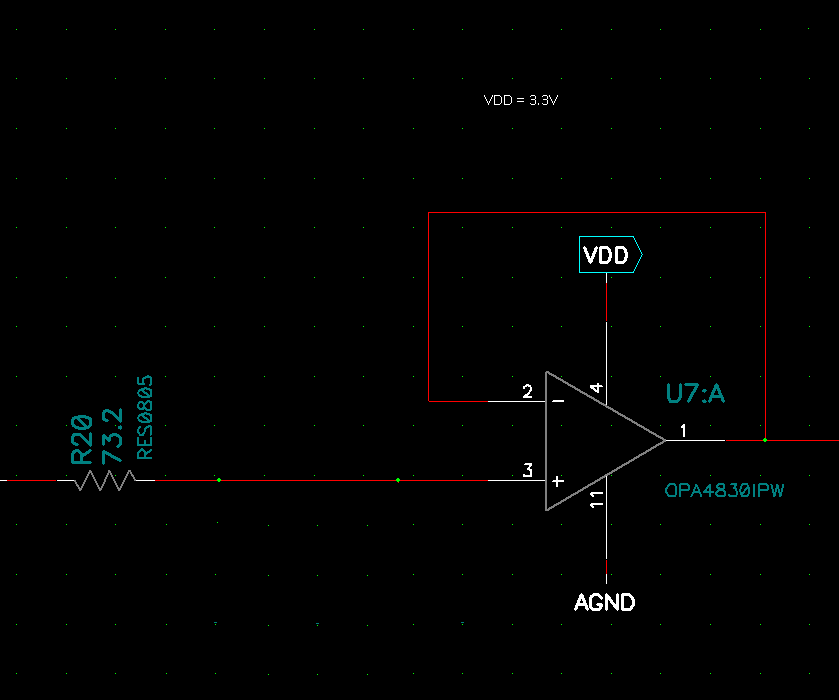
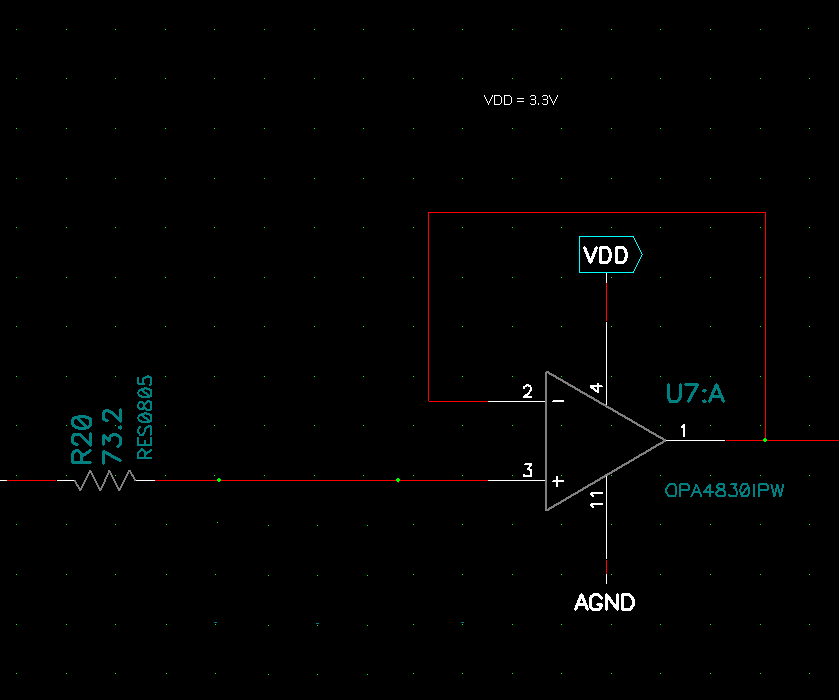
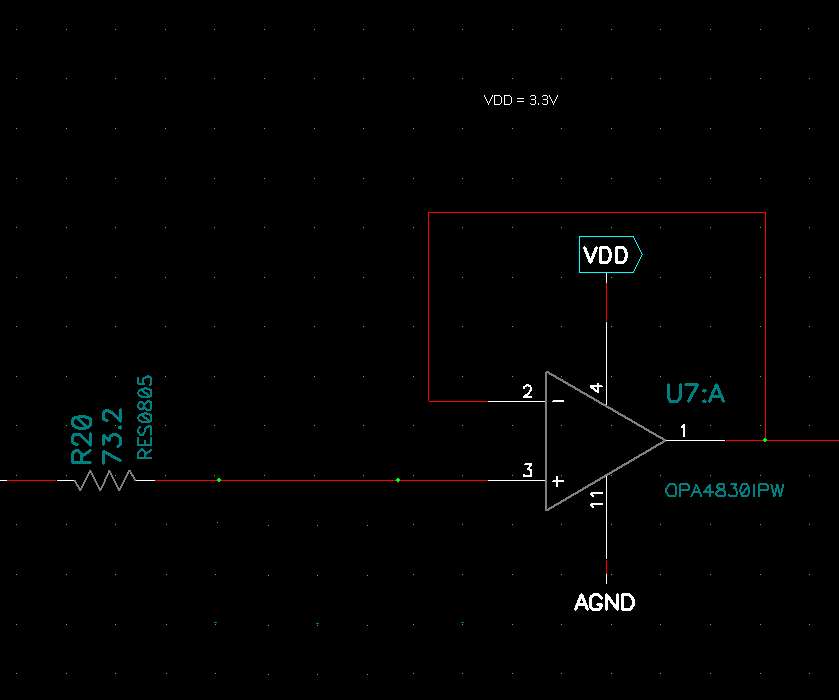
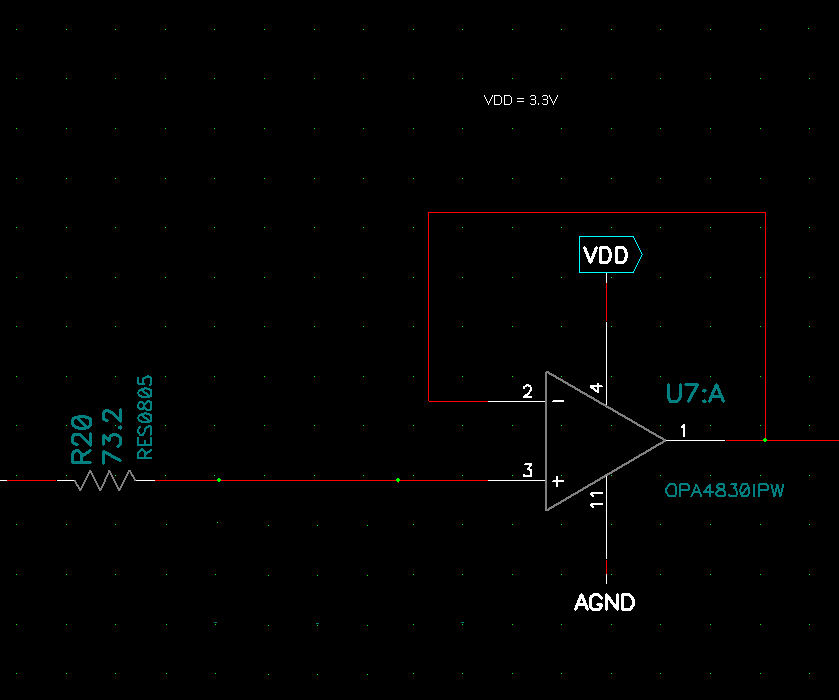
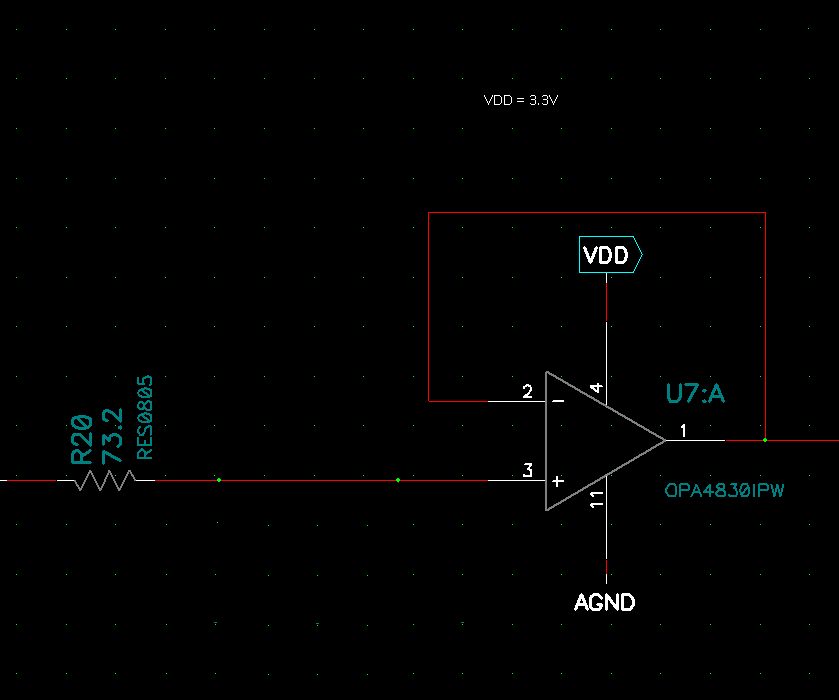
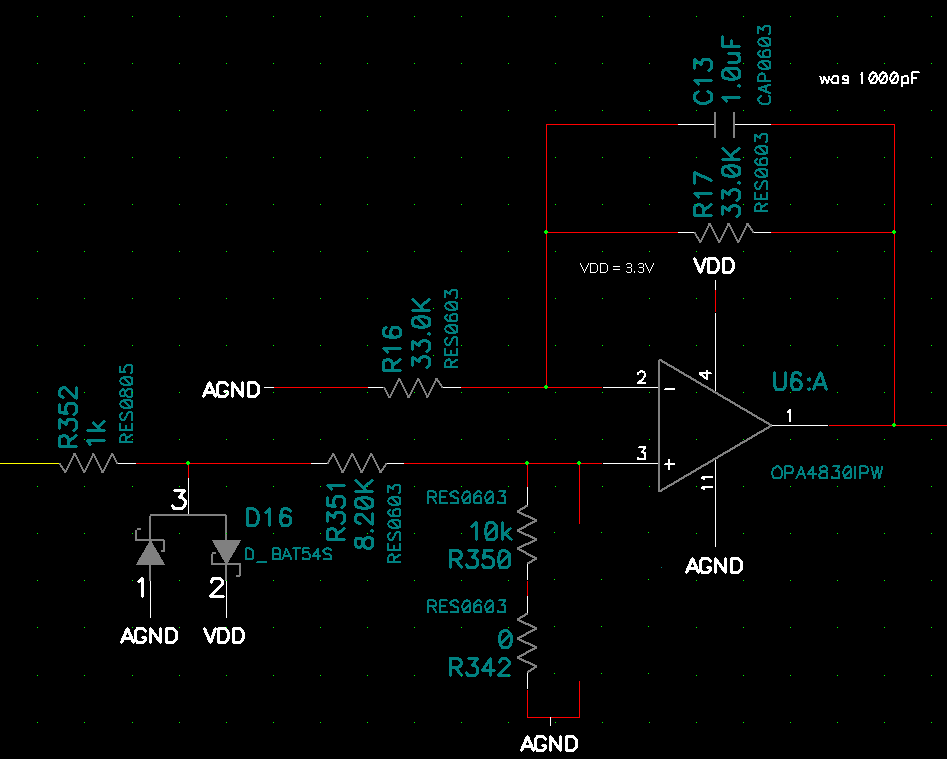
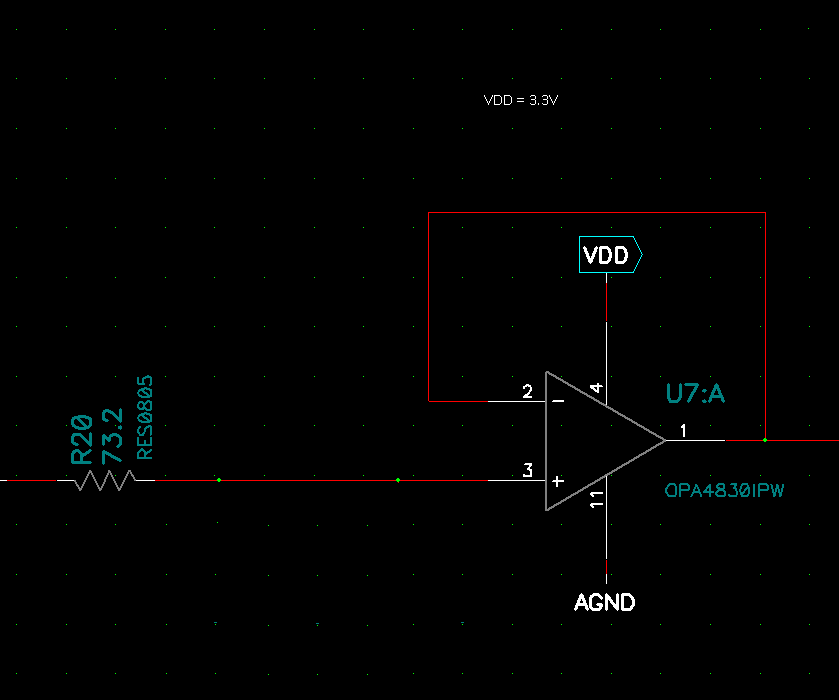
We have a problem with operational Amplifier  OPA4830, was used two configurations and when we use it like a buffer happened a strange response in output. We did a test with same conditions third and fourth figure pictures  in amplifier configuration it’s ok, but in buffer configuration output is not consistent (figs 1 and 2). Can I use this amplifier operational in buffer configuration?

Source  +Vcc = 3.3V –Vcc = 0V;

Problem happened with configuration in first figure , not expected answer in second figure.

figs 1 and 2:
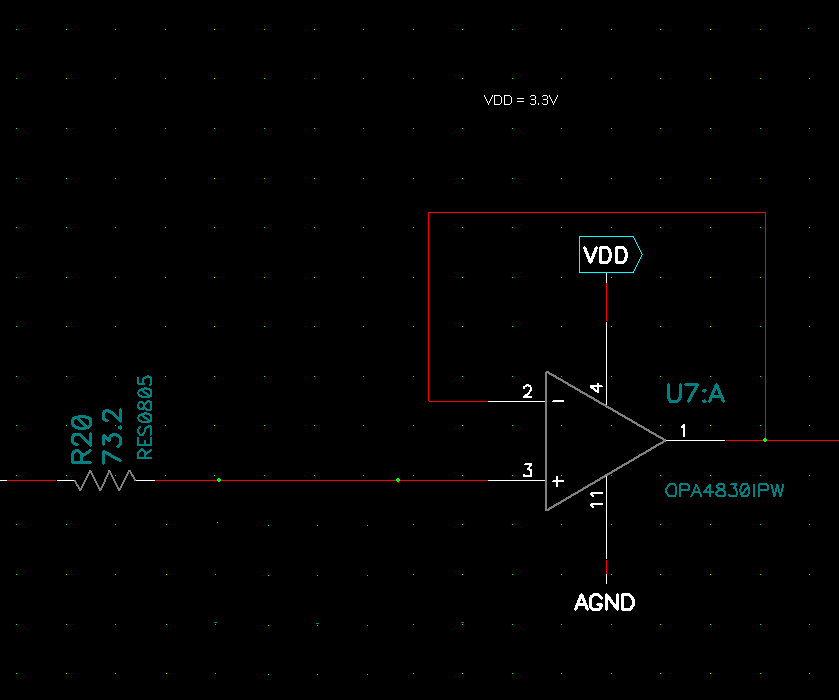
3 and 4 figs:
Output expected its ok.

Thanks.

  • Hello Gustavo,

     I think you are running into 2 potential issues with the buffer configuration. We can try a couple of experiments to narrow down if the 2nd issue is actually an issue.

    Issue 1: Violating Input voltage range of the amplifier.

    If you refer to page 7 of the datasheet under the INPUT sub-heading, you will see that on 3V supplies the most positive input voltage is 1.2V. This implies that the amplifier can only swing to within 1.8V of the positive supply rail. On 3.3V supplies, the input should be maintained to be less that 3.3V-1.8V= 1.5V. From your figure 2 it looks like you may be violating this spec. parameter. The reason you dont have a problem with your 2nd circuit is that the input resistive divider lowers the most positive input voltage and maintains it within spec. I would suggest, changing the dc offset voltage on your function generator to around 1V and retrying the buffer configuration. That should improve the response considerably.

    Issue 2: Peaking in the frequency-response in buffer configuration

    This is most likely affecting your response but to a lesser extent. If you look at Fig. 53 of the datasheet you will notice that G=+1 frequency response peaks by around 6dB. This usually results in overshoot and ringing in the response. This is bigger problem if you have a square wave input with fast edges. With a trainagular wave input you should be fine. You can try this for yourself by using both a triangular and square wave input and comparing the responses. Your 2nd circuit is in a G=2 and as in Fig 53. there is no peaking there which should lead to a cleaner response (at the cost of lower Bandwidth).
    -Samir