Part Number: DRA77P
Other Parts Discussed in Thread: TUSB1210, TUSB1210SW-LINUX
Tool/software: Linux
Hi,
I have two ulpi phys in my custom board, and made the required changes in the device tree and it shows them in linux kernel when viewed through /sys/class/phy it lists two ulpi phys (usb3 and usb4 phys) as phy-48910000.usb.ulpi.6 and phy-48950000.usb.ulpi.7.
We are using ti-processor-sdk-linux-automotive-dra7xx-evm-5_00_00_01.
The default phy_tusb1210 driver we had was
/**
 * tusb1210.c - TUSB1210 USB ULPI PHY driver
 *
 * Copyright (C) 2015 Intel Corporation
 *
 * Author: Heikki Krogerus <heikki.krogerus@linux.intel.com>
 *
 * This program is free software; you can redistribute it and/or modify
 * it under the terms of the GNU General Public License version 2 as
 * published by the Free Software Foundation.
 */
#include <linux/module.h>
#include <linux/ulpi/driver.h>
#include <linux/gpio/consumer.h>

#include "ulpi_phy.h"

#define TUSB1210_VENDOR_SPECIFIC2		0x80
#define TUSB1210_VENDOR_SPECIFIC2_IHSTX_SHIFT	0
#define TUSB1210_VENDOR_SPECIFIC2_ZHSDRV_SHIFT	4
#define TUSB1210_VENDOR_SPECIFIC2_DP_SHIFT	6

struct tusb1210 {
	struct ulpi *ulpi;
	struct phy *phy;
	struct gpio_desc *gpio_reset;
	struct gpio_desc *gpio_cs;
	u8 vendor_specific2;
};

static int tusb1210_power_on(struct phy *phy)
{
	struct tusb1210 *tusb = phy_get_drvdata(phy);

	gpiod_set_value_cansleep(tusb->gpio_reset, 1);
	gpiod_set_value_cansleep(tusb->gpio_cs, 1);

	/* Restore the optional eye diagram optimization value */
	if (tusb->vendor_specific2)
		ulpi_write(tusb->ulpi, TUSB1210_VENDOR_SPECIFIC2,
			   tusb->vendor_specific2);

	return 0;
}

static int tusb1210_power_off(struct phy *phy)
{
	struct tusb1210 *tusb = phy_get_drvdata(phy);

	gpiod_set_value_cansleep(tusb->gpio_reset, 0);
	gpiod_set_value_cansleep(tusb->gpio_cs, 0);

	return 0;
}

static const struct phy_ops phy_ops = {
	.power_on = tusb1210_power_on,
	.power_off = tusb1210_power_off,
	.owner = THIS_MODULE,
};

static int tusb1210_probe(struct ulpi *ulpi)
{
	struct tusb1210 *tusb;
	u8 val, reg;

	tusb = devm_kzalloc(&ulpi->dev, sizeof(*tusb), GFP_KERNEL);
	if (!tusb)
		return -ENOMEM;

	tusb->gpio_reset = devm_gpiod_get_optional(&ulpi->dev, "reset",
						   GPIOD_OUT_LOW);
	if (IS_ERR(tusb->gpio_reset))
		return PTR_ERR(tusb->gpio_reset);

	gpiod_set_value_cansleep(tusb->gpio_reset, 1);

	tusb->gpio_cs = devm_gpiod_get_optional(&ulpi->dev, "cs",
						GPIOD_OUT_LOW);
	if (IS_ERR(tusb->gpio_cs))
		return PTR_ERR(tusb->gpio_cs);

	gpiod_set_value_cansleep(tusb->gpio_cs, 1);

	/*
	 * VENDOR_SPECIFIC2 register in TUSB1210 can be used for configuring eye
	 * diagram optimization and DP/DM swap.
	 */

	/* High speed output drive strength configuration */
	device_property_read_u8(&ulpi->dev, "ihstx", &val);
	reg = val << TUSB1210_VENDOR_SPECIFIC2_IHSTX_SHIFT;

	/* High speed output impedance configuration */
	device_property_read_u8(&ulpi->dev, "zhsdrv", &val);
	reg |= val << TUSB1210_VENDOR_SPECIFIC2_ZHSDRV_SHIFT;

	/* DP/DM swap control */
	device_property_read_u8(&ulpi->dev, "datapolarity", &val);
	reg |= val << TUSB1210_VENDOR_SPECIFIC2_DP_SHIFT;

	if (reg) {
		ulpi_write(ulpi, TUSB1210_VENDOR_SPECIFIC2, reg);
		tusb->vendor_specific2 = reg;
	}

	tusb->phy = ulpi_phy_create(ulpi, &phy_ops);
	if (IS_ERR(tusb->phy))
		return PTR_ERR(tusb->phy);

	tusb->ulpi = ulpi;

	phy_set_drvdata(tusb->phy, tusb);
	ulpi_set_drvdata(ulpi, tusb);
	return 0;
}

static void tusb1210_remove(struct ulpi *ulpi)
{
	struct tusb1210 *tusb = ulpi_get_drvdata(ulpi);

	ulpi_phy_destroy(ulpi, tusb->phy);
}

#define TI_VENDOR_ID 0x0451

static const struct ulpi_device_id tusb1210_ulpi_id[] = {
	{ TI_VENDOR_ID, 0x1507, },
	{ },
};
MODULE_DEVICE_TABLE(ulpi, tusb1210_ulpi_id);

static struct ulpi_driver tusb1210_driver = {
	.id_table = tusb1210_ulpi_id,
	.probe = tusb1210_probe,
	.remove = tusb1210_remove,
	.driver = {
		.name = "tusb1210",
		.owner = THIS_MODULE,
	},
};

module_ulpi_driver(tusb1210_driver);

MODULE_AUTHOR("Intel Corporation");
MODULE_LICENSE("GPL v2");
MODULE_DESCRIPTION("TUSB1210 ULPI PHY driver");
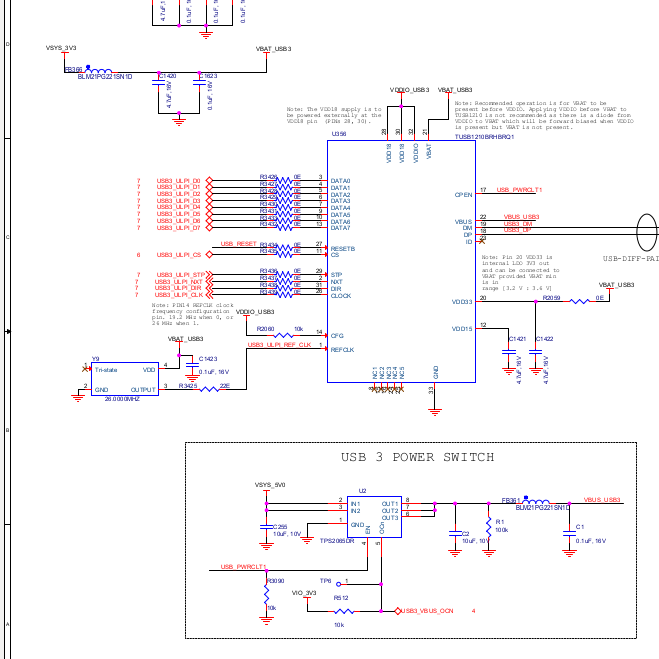
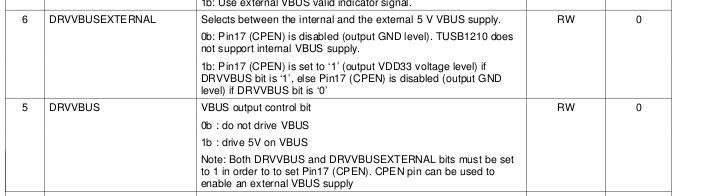
On using this we were not able to detect the devices. On referring the data sheet, it mentioned CPEN pin should be enabled to power the phy. So we modified the driver accordingly as below,
/**
 * tusb1210.c - TUSB1210 USB ULPI PHY driver
 *
 * Copyright (C) 2015 Intel Corporation
 *
 * Author: Heikki Krogerus <heikki.krogerus@linux.intel.com>
 *
 * This program is free software; you can redistribute it and/or modify
 * it under the terms of the GNU General Public License version 2 as
 * published by the Free Software Foundation.
 */
#include <linux/module.h>
#include <linux/ulpi/driver.h>
#include <linux/gpio/consumer.h>
#include <linux/ulpi/regs.h>
#include "ulpi_phy.h"

#define TUSB1210_VENDOR_SPECIFIC2		0x80
#define TUSB1210_VENDOR_SPECIFIC2_IHSTX_SHIFT	0
#define TUSB1210_VENDOR_SPECIFIC2_ZHSDRV_SHIFT	4
#define TUSB1210_VENDOR_SPECIFIC2_DP_SHIFT	6

struct tusb1210 {
	struct ulpi *ulpi;
	struct phy *phy;
	struct gpio_desc *gpio_reset;
	struct gpio_desc *gpio_cs;
	u8 vendor_specific2;
};

static int tusb1210_power_on(struct phy *phy)
{
	struct tusb1210 *tusb = phy_get_drvdata(phy);

	printk(KERN_INFO "Helios : TUSB1210_Power_on_Function Called!\n");

	gpiod_set_value_cansleep(tusb->gpio_reset, 1);
	gpiod_set_value_cansleep(tusb->gpio_cs, 1);

	/* Restore the optional eye diagram optimization value */
	if (tusb->vendor_specific2)
		ulpi_write(tusb->ulpi, TUSB1210_VENDOR_SPECIFIC2,
			   tusb->vendor_specific2);

	return 0;
}

static int tusb1210_power_off(struct phy *phy)
{
	struct tusb1210 *tusb = phy_get_drvdata(phy);

	printk(KERN_INFO "Helios : TUSB1210_Power_off_Function Called!\n");

	gpiod_set_value_cansleep(tusb->gpio_reset, 0);
	gpiod_set_value_cansleep(tusb->gpio_cs, 0);

	return 0;
}

static const struct phy_ops phy_ops = {
	.power_on = tusb1210_power_on,
	.power_off = tusb1210_power_off,
	.owner = THIS_MODULE,
};

/*static int tusb1210_set_host_mode(struct tusb1210 *tusb)
{
	//struct tusb1210 *tusb = phy_get_drvdata(phy);
	int ret;
	printk(KERN_INFO "Helios : TUSB1210_SetMode Function Called! = %d\n",tusb->ulpi->id);
	ret = ulpi_read(tusb->ulpi, ULPI_OTG_CTRL);
	ret |= (ULPI_OTG_CTRL_DRVVBUS_EXT
			| ULPI_OTG_CTRL_DP_PULLDOWN
			| ULPI_OTG_CTRL_DM_PULLDOWN);
	ulpi_write(tusb->ulpi, ULPI_OTG_CTRL, ret);
	ret |= ULPI_OTG_CTRL_DRVVBUS;
	printk(KERN_INFO "Helios : ULPI_OTG_CTRL = %d\n",ret);
	return ulpi_write(tusb->ulpi, ULPI_OTG_CTRL, ret);
}*/

static int tusb1210_probe(struct ulpi *ulpi)
{
	struct tusb1210 *tusb;
	u8 val, reg;
	int ret;

	printk(KERN_INFO "Helios : TUSB1210_Probe_Function Called!\n");

	tusb = devm_kzalloc(&ulpi->dev, sizeof(*tusb), GFP_KERNEL);
	if (!tusb)
		return -ENOMEM;

	tusb->gpio_reset = devm_gpiod_get_optional(&ulpi->dev, "reset",
						   GPIOD_OUT_LOW);
	if (IS_ERR(tusb->gpio_reset))
		return PTR_ERR(tusb->gpio_reset);

	gpiod_set_value_cansleep(tusb->gpio_reset, 1);

	tusb->gpio_cs = devm_gpiod_get_optional(&ulpi->dev, "cs",
						GPIOD_OUT_LOW);
	if (IS_ERR(tusb->gpio_cs))
		return PTR_ERR(tusb->gpio_cs);

	gpiod_set_value_cansleep(tusb->gpio_cs, 1);

	/*
	 * VENDOR_SPECIFIC2 register in TUSB1210 can be used for configuring eye
	 * diagram optimization and DP/DM swap.
	 */

	/* High speed output drive strength configuration */
	device_property_read_u8(&ulpi->dev, "ihstx", &val);
	reg = val << TUSB1210_VENDOR_SPECIFIC2_IHSTX_SHIFT;

	/* High speed output impedance configuration */
	device_property_read_u8(&ulpi->dev, "zhsdrv", &val);
	reg |= val << TUSB1210_VENDOR_SPECIFIC2_ZHSDRV_SHIFT;

	/* DP/DM swap control */
	device_property_read_u8(&ulpi->dev, "datapolarity", &val);
	reg |= val << TUSB1210_VENDOR_SPECIFIC2_DP_SHIFT;

	if (reg) {
		ulpi_write(ulpi, TUSB1210_VENDOR_SPECIFIC2, reg);
		tusb->vendor_specific2 = reg;
	}

	tusb->phy = ulpi_phy_create(ulpi, &phy_ops);
	if (IS_ERR(tusb->phy))
		return PTR_ERR(tusb->phy);

	tusb->ulpi = ulpi;

	//tusb1210_set_host_mode(tusb);

	printk(KERN_INFO "Helios : TUSB1210_SetMode Function Called! = %d\n",tusb->ulpi->id);
	ret = ulpi_read(tusb->ulpi, ULPI_OTG_CTRL);
	ret |= (ULPI_OTG_CTRL_DRVVBUS_EXT
			| ULPI_OTG_CTRL_DP_PULLDOWN
			| ULPI_OTG_CTRL_DM_PULLDOWN);
	ulpi_write(tusb->ulpi, ULPI_OTG_CTRL, ret);
	ret |= ULPI_OTG_CTRL_DRVVBUS;
	printk(KERN_INFO "Helios : ULPI_OTG_CTRL = %d\n",ret);
	ulpi_write(tusb->ulpi, ULPI_OTG_CTRL, ret);

	phy_set_drvdata(tusb->phy, tusb);
	ulpi_set_drvdata(ulpi, tusb);
	return 0;
}

static void tusb1210_remove(struct ulpi *ulpi)
{
	struct tusb1210 *tusb = ulpi_get_drvdata(ulpi);

	printk(KERN_INFO "Helios : TUSB1210_Remove_Function Called!\n");

	ulpi_phy_destroy(ulpi, tusb->phy);
}

#define TI_VENDOR_ID 0x0451

static const struct ulpi_device_id tusb1210_ulpi_id[] = {
	{ TI_VENDOR_ID, 0x1507, },
	{ },
};
MODULE_DEVICE_TABLE(ulpi, tusb1210_ulpi_id);

static struct ulpi_driver tusb1210_driver = {
	.id_table = tusb1210_ulpi_id,
	.probe = tusb1210_probe,
	.remove = tusb1210_remove,
	.driver = {
		.name = "tusb1210",
		.owner = THIS_MODULE,
	},
};

module_ulpi_driver(tusb1210_driver);

MODULE_AUTHOR("Intel Corporation");
MODULE_LICENSE("GPL v2");
MODULE_DESCRIPTION("TUSB1210 ULPI PHY driver");
With these changes we were able to set the device and was able to power the CPEN pin. But the issue is that, on probing, both the phys are identified with same ids and only one of them gets powered (usb4 only) even though when both are enabled in the device tree.
Also this cannot be powered (i.e. the thumb drive is not detected when the kernel has booted), we had to remove the driver first and on reinserting it gives power to the phy (only to usb4) and thumb drive is detected.
We are using it for dra77xp.
These are the device tree files (changes are made in the dra76-evm.dts),
Regards,
Padmesh